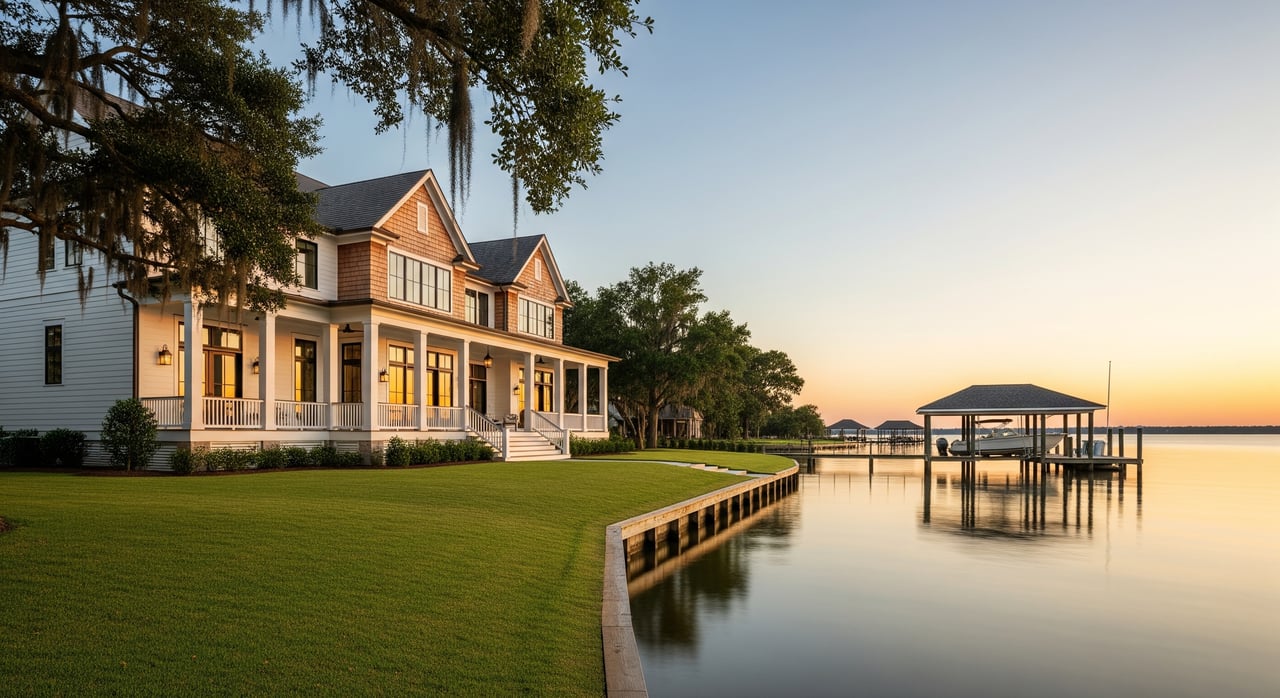
Dreaming of coffee on the dock and sunset over Lake Pontchartrain? Buying waterfront in Mandeville can be a joy, but the water adds a few extra steps. You want great boat access, a safe and stable shoreline, and insurance that actually covers what you own. In this guide, you’ll learn how to vet docks and bulkheads, confirm water depth, understand permits and insurance, and build a smart due diligence plan for St. Tammany Parish. Let’s dive in.
Mandeville waterfront options
Lake Pontchartrain, the Tchefuncte River, and nearby bayous offer different experiences. Lakefront homes give you wide-open views and quick access to open water, but they see higher wind and wave energy and more storm surge exposure. River and bayou homes are more sheltered and calm, but channels curve and depths can change.
Each setting has trade-offs. Lakeside lots may fall in coastal flood zones with wave action. River and bayou properties often sit in flood zones linked to rainfall, tide, and river levels. Match the location to your boating style and risk comfort.
Flood zones and elevation basics
Mandeville sits in a coastal area with hurricane surge and tidal influence. Flood risk can come from heavy rain, riverine flooding, tide, and storm surge. You should:
- Get a property-specific FEMA flood map determination to confirm the exact flood zone.
- Ask for an Elevation Certificate, or plan to order one from a licensed surveyor if it does not exist.
- Expect lenders to require flood insurance if the structure is in a Special Flood Hazard Area.
- Note the standard waiting period for new flood policies is typically 30 days. Ask your insurance agent about current exceptions at closing.
- Check whether local participation in the Community Rating System may affect premiums.
Zones you may see include AE and VE on the lakefront, with VE indicating coastal high-velocity wave exposure in some areas. Sheltered river and bayou areas are often AE. Your exact panel and base flood elevation matter for both building code and insurance pricing.
Docks and piers: what to inspect
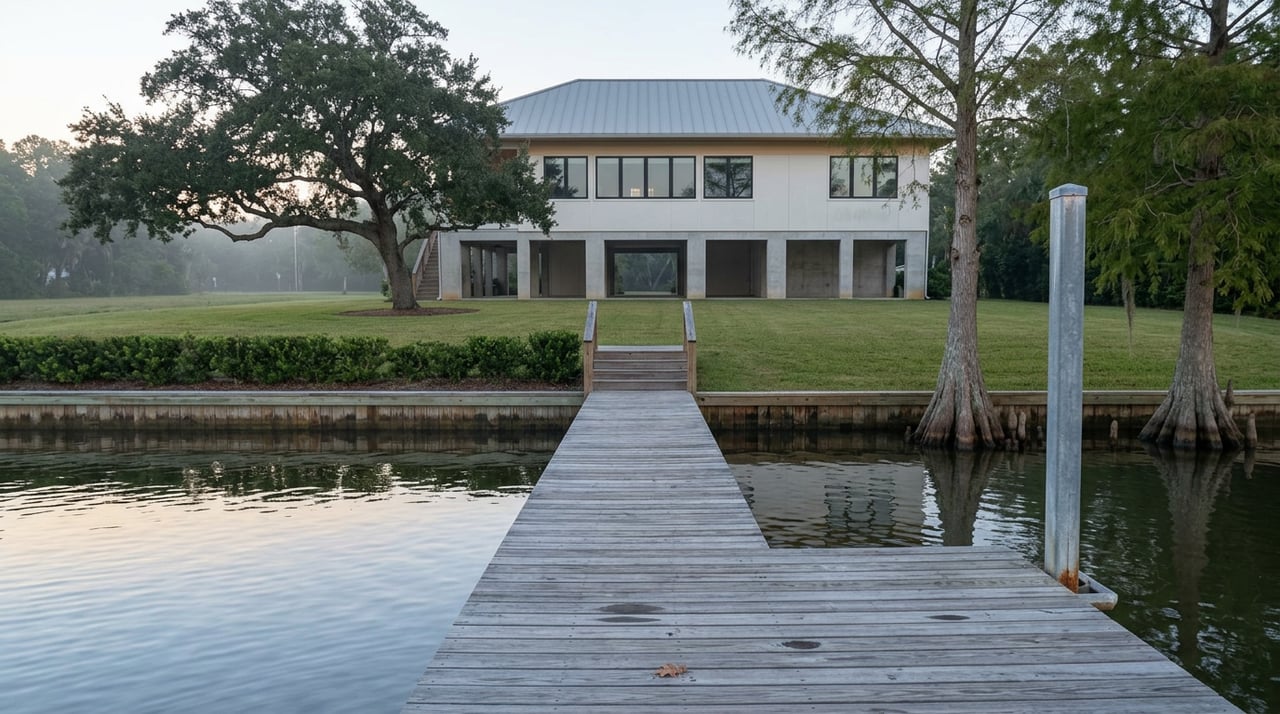
A solid dock is both a safety asset and a boating necessity. Before you buy, look closely at:
- Structure: pilings for rot, borer damage or movement; framing and decking for rot or delamination; fasteners and hardware for corrosion in brackish water.
- Connections: the transition from the dock to shoreline or bulkhead, including signs of settlement or separation.
- Usability: measure usable water depth at typical low water for your boat’s draft. Check for shoaling, obstructions, and alignment to the channel.
If you plan to keep a specific boat, confirm that slip width, piling spacing, and maneuvering room fit your vessel. Weekend traffic and no-wake zones can affect your daily convenience.
Dock utilities and safety
If the dock has electric and water, confirm GFCI protection, proper bonding, and lighting. Ask for any permits and inspection records. For advanced features like pump-out or fueling, request documentation and maintenance logs.
Permitted vs unpermitted docks
Ask the seller for copies of permits, as-built drawings, and any inspection or repair records. Unpermitted structures can bring legal and cost risks. Replacement or major repairs often need new permits and may trigger updated standards. Build this into your budget and timeline.
Bulkheads and shoreline stability
Shoreline structures include timber bulkheads, concrete or vinyl sheet pile, riprap, and sometimes living shoreline solutions. Material choice depends on wave energy and brackish water conditions.
Look for common failure signs:
- Bulges or bowing along the wall
- Gaps or separated joints
- Exposed or undermined toes at the base
- Settlement behind the wall, especially near the landward edge
- Scour near pier connections and patched sections
Lifespan varies by material and exposure. Brackish water can speed up metal corrosion and wood rot. Composite options and coated metals resist damage better, but still need periodic checks. Plan for inspections and a reserve for repairs or replacement.
Boat access, depth, and routes
Owning waterfront does not guarantee easy boating. Confirm that the route from your dock to open water works for your vessel, not just at high tide.
Key checks:
- Water depth at the dock at normal and low water. Match to your boat’s draft.
- Channel maintenance history and any dredging patterns in your area.
- Bridges or fixed obstructions that limit mast height or clearance.
- No-wake zones and boat traffic patterns, especially on weekends and holidays.
- Distance to marinas, fuel, and haul-out services for your boat size.
If boat access is your top priority, consider a marine surveyor or local marina feedback to confirm depths and seasonal changes.
Riparian rights, surveys, and title
Waterfront title can involve extra layers. You may see issues with riparian or littoral boundaries, public trust ownership of submerged lands, access easements, or historical shoreline changes.
Protect yourself by:
- Ordering a current survey that shows the mean high-water line, improvements, and any encroachments.
- Having your title company and a local real estate attorney review riparian rights, submerged land issues, and easements.
- Confirming whether the property includes any leases of submerged land or special access agreements.
These steps help you understand what you really own and where you can legally place or maintain structures.
Permits you may need
Shoreline work often involves multiple agencies. For new or modified docks, bulkheads, dredging, or stabilization, you may need approvals from:
- St. Tammany Parish or municipal building and planning offices
- U.S. Army Corps of Engineers for work in navigable waters or wetlands
- Louisiana coastal and natural resource programs for coastal-use guidance
- State agencies if projects affect fisheries or managed submerged lands
Ask the seller for past permits and inspection records. If they are not available, assume you will need to permit replacements or significant repairs. A quick call to the local floodplain or permitting office before you write an offer can save time.
Insurance and lending realities
Flood insurance is separate from a standard homeowners policy. If your home sits in a Special Flood Hazard Area and you have a mortgage, flood coverage will usually be required. Lenders commonly request an Elevation Certificate to price and underwrite the risk.
Important items to confirm early:
- Waiting period: NFIP policies typically have a 30-day wait unless certain loan or purchase exceptions apply. Verify current rules with your insurance agent.
- Coverage limits: standard policies often limit or exclude docks and bulkheads. You may need endorsements or separate coverage for waterfront structures.
- Wind and hurricane deductibles: coastal homes may have special deductibles or separate wind-only policies.
- Use of the home: second homes and vacation rentals can affect eligibility and premium.
Your lender will also review construction type and elevation, especially if the structure sits in a coastal V zone where elevated, wave-resisting design can apply.
Budgeting for maintenance
Water touches everything. Waterfront homes often have higher ongoing costs compared to non-waterfront properties.
Plan for:
- Dock inspections, pile repair or replacement, and decking upgrades
- Bulkhead or shoreline stabilization work and erosion control
- Moisture management, mold prevention, and exterior hardware replacement
- Periodic surveys for depth or channel shifts if boating access is critical
Material choices matter. Composite decking, coated hardware, and vinyl or concrete elements can slow wear, but you still need regular checks. Get quotes from local marine contractors so you have a realistic reserve for long-term work.
A smart due diligence checklist
Use this list before and during your offer period:
- Order a recent survey that shows improvements and the mean high-water line.
- Confirm the FEMA flood zone and request an Elevation Certificate, or plan to obtain one.
- Request all permits, plans, inspections, and maintenance records for docks and bulkheads.
- Review seller disclosures and any flood or storm claims history.
- Verify sewer or septic status, and ask about coastal setbacks or development limits.
- Measure usable water depth at the dock at normal and low water. Ask about dredging history.
- Check for encroachments, submerged land leases, and any easements affecting shoreline use.
- Collect recent photos and documentation of storm damage, repairs, or improvements.
Your local team
Build a small team of specialists who know coastal Louisiana:
- Licensed surveyor for the Elevation Certificate and boundary details
- Marine or structural engineer to assess dock and bulkhead condition
- Licensed marine contractor with brackish-water experience
- Floodplain manager or permitting official to confirm requirements
- Real estate attorney or experienced title company for riparian rights
- Local insurance agent who understands NFIP and private flood options
- Marine surveyor or hydrologist if navigation depth is a top priority
Make your move with confidence
Buying a waterfront home in Mandeville is about matching the lifestyle you want with smart, local due diligence. When you assess flood zone and elevation, inspect the dock and bulkhead, confirm water depth, and line up the right permits and insurance, you set yourself up for years of enjoyment on the water.
If you want hands-on, Northshore expertise with boutique care and the reach of a national brand, connect with Patricia Conaghan. Whether in English or Spanish, you will get clear guidance from search to closing.
FAQs
What is the difference between lakefront and riverfront homes in Mandeville?
- Lakefront sees higher wind and wave exposure and can include coastal flood zones, while river and bayou homes are more sheltered but may have variable depths and navigation constraints.
What do AE and VE flood zones mean for Mandeville buyers?
- AE indicates areas with a base flood elevation, while VE adds coastal wave action; both can trigger elevation and insurance requirements that affect cost and design.
How do I evaluate a dock before buying in St. Tammany Parish?
- Inspect pilings, framing, decking, and hardware for rot or corrosion, confirm permits and as-builts, and measure usable depth at normal and low water for your boat’s draft.
Do I need permits to repair or replace a bulkhead in Mandeville?
- Often yes; local parish permits, state coastal approvals, and U.S. Army Corps of Engineers authorizations can apply for shoreline work or in-water structures.
How does flood insurance work for waterfront homes in Mandeville?
- If the home is in a Special Flood Hazard Area and you have a mortgage, flood coverage is usually required; policies often have a 30-day waiting period and may limit coverage for docks and bulkheads.
Will my lender require an Elevation Certificate on a waterfront purchase?
- Lenders and insurers commonly request an Elevation Certificate to rate and underwrite risk, especially in AE or VE zones.
Who should be on my team when buying a Mandeville waterfront home?
- Engage a surveyor, marine or structural engineer, licensed marine contractor, local permitting official, real estate attorney or title company, and a coastal-savvy insurance agent.