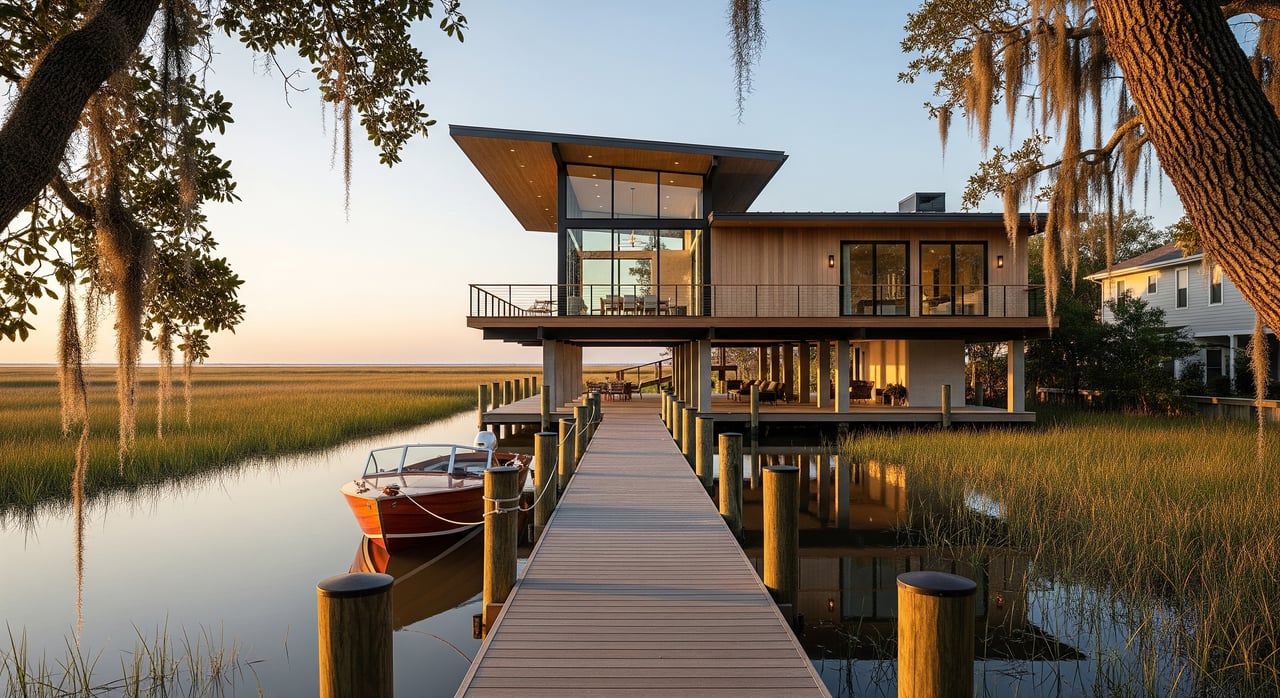
What Slidell Waterfront Living Really Looks Like
February 5, 2026
February 5, 2026
Wish you could sip coffee while watching the sun sparkle across the water, then hop in your boat for a quick evening cruise? In Slidell, that vision can be real, but it comes with details you need to understand before you buy. You want the lifestyle without surprises, from water access and views to elevation, flood risk, and upkeep. This guide breaks down what waterfront living in Slidell really looks like so you can plan with confidence. Let’s dive in.
Slidell sits on the north shore of Lake Pontchartrain in St. Tammany Parish. You’ll find three main types of waterfront settings here: lakefront, bayou or canal-front, and marsh or estuary edge. Each delivers a different day-to-day experience.
Lakefront homes give you wide-open views and quick access to a large water body. You’ll feel more breeze and see more wave action, which many owners love for the scenery and boating options. Expect conditions influenced by brackish water and wind exposure, which can shape your choice of materials and maintenance routine.
Bayou and canal-front properties are typically more sheltered and calmer. You may have narrower views, but launching a small boat, kayak, or paddleboard is often easier. Private docks and lifts are common, and you can reach bigger water through connected canals and bayous.
Marsh and estuary-edge homes put you close to nature. You’ll see wading birds and other wildlife, especially at sunrise and sunset. Water can be shallower and more tidal, so you may need an improved channel or to time your boat use with the tides.
Waterfront living here revolves around the outdoors. The rhythm of your week may follow the weather, tide tables, and your time on the water.
If you have a dock or nearby launch, short trips for fishing or sunset cruises can be part of your routine. Kayaks and paddleboards are popular on sheltered canals and bayous. On breezier days, lakefront owners often watch conditions and plan outings between winds and summer storms.
You can expect regular sightings of wading birds, ospreys, and marsh wildlife. Many homes take full advantage with water-facing decks, screened porches, and shaded seating that keep you outside longer.
Outdoor living is a priority. You’ll see covered patios, boat houses, and even rooftop observation spots. Around Slidell, public boat launches, marinas, bait and tackle shops, and waterfront parks support the lifestyle. Check City and Parish resources for current locations and hours, and use tide and weather forecasts to plan safe, enjoyable days.
Waterfront homes in Slidell are built with the environment in mind. As you tour homes, look for design choices that support living near brackish water and periodic storms.
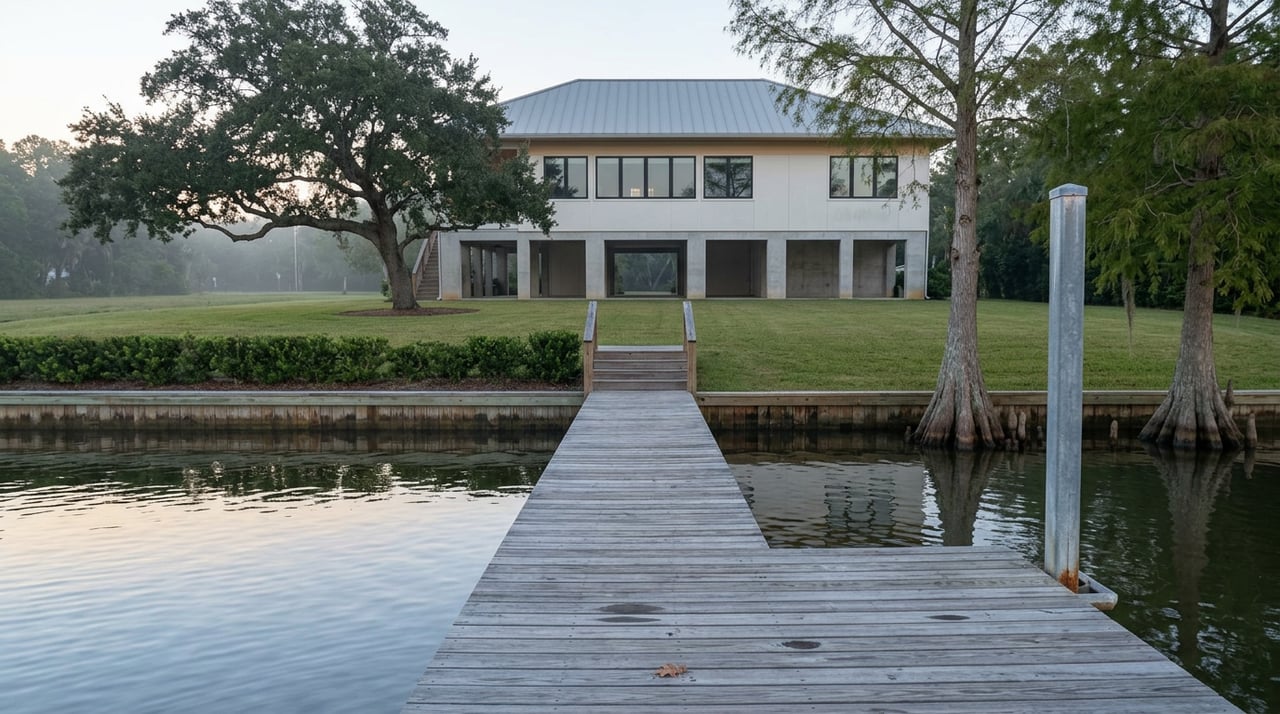
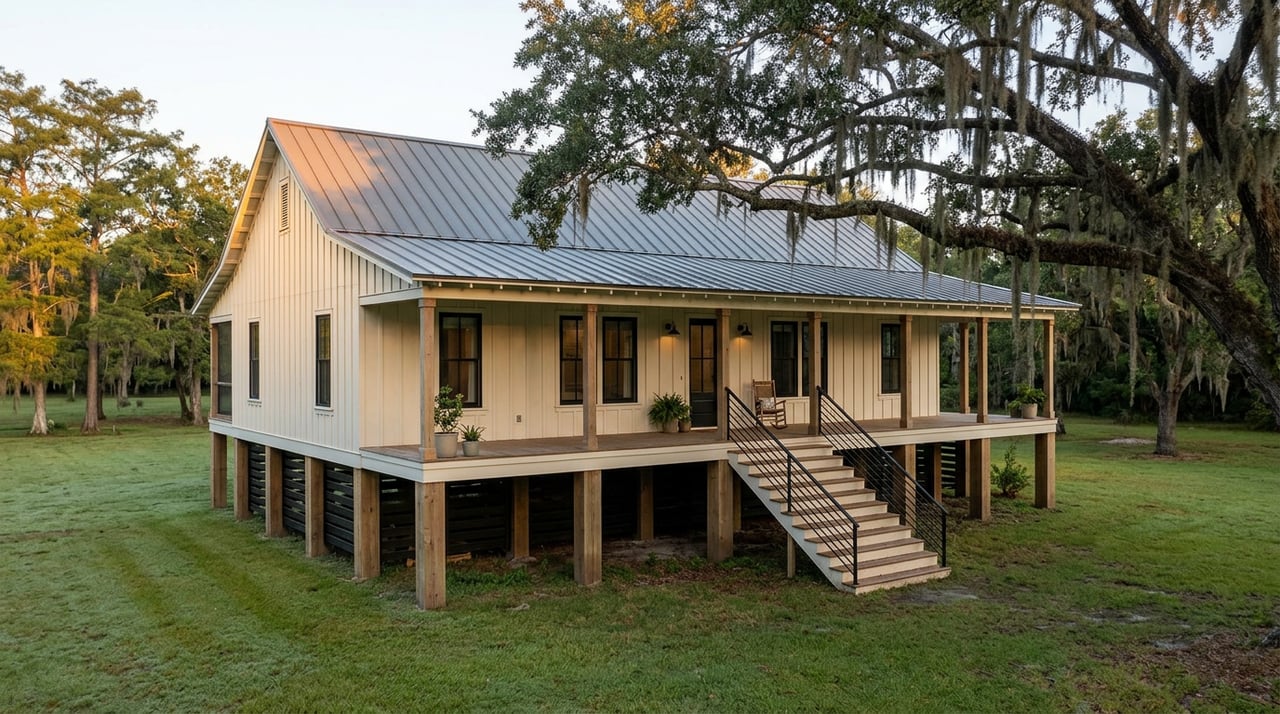
Many homes are elevated on pier-and-beam or pile foundations, with living areas raised above predicted flood levels. Ask for the home’s elevation relative to Base Flood Elevation. Floor plans often place the main living spaces toward the water with large windows or sliding doors to capture views.
Private docks and boat lifts are common. Some lots have seawalls or bulkheads, while others retain natural marsh edges. If a property includes marine structures, plan for ongoing inspections and maintenance, just like you would for a roof or HVAC.
You’ll often see pressure-treated lumber, composite decking, marine-grade fasteners, and corrosion-resistant metals. Key systems to verify include:
Owning on the water brings rewards and responsibilities. The right preparation helps you enjoy the lifestyle while managing risk.
Waterfront properties can face flooding from lake or river systems, tidal influence, and storm surge during tropical events. Review FEMA flood maps, your flood zone, and the Base Flood Elevation. Keep long-term sea-level rise and local subsidence in mind, since they can affect erosion and flood frequency over time.
Brackish environments can be tough on wood and metal. Build these tasks into your calendar and budget:
If a home sits in a Special Flood Hazard Area, lenders will require flood insurance. Premiums vary with elevation, flood history, and elevation certificates. A prior claims history also matters. For marine work like docks or bulkheads, expect parish and state permitting, and in some navigable waters you may need U.S. Army Corps of Engineers approval. Timelines and costs can vary, so verify before you plan improvements.
A clear plan makes your first showings productive. Use this checklist to get answers early.
Waterfront living in Slidell offers daily scenery, boat access, and outdoor time that can transform your routine. Bayou and canal properties feel more sheltered and intimate. Lakefront homes bring bigger views and broader boating options. In return, you take on more maintenance, consistent storm prep, and potentially higher insurance and permitting costs. Price these realities into your decision and treat marine structures as specialized systems that need their own inspections and budget.
If you want a life that centers on the water, Slidell delivers a practical mix of access, scenery, and community resources. Success starts with verified elevation and insurance details, a close look at docks and shoreline, and a plan for upkeep. When you approach it this way, you get the views you love and the confidence that you are ready for the realities of coastal living.
Ready to explore options on the Northshore or in Greater New Orleans? Work with a local who knows the water, the permits, and the process. Patricia Conaghan offers boutique, bilingual guidance backed by RE/MAX reach so you can buy smart and enjoy the lifestyle you want. Let’s talk about your next move.
Stay up to date on the latest real estate trends.
Patricia has a comprehensive understanding of the market and is skillful in strategic pricing and marketing. She believes her clients are #1. It's all about her clients and their best interests. Patricia helps people every step of the way when purchasing or selling homes, providing professional and trustworthy full service.