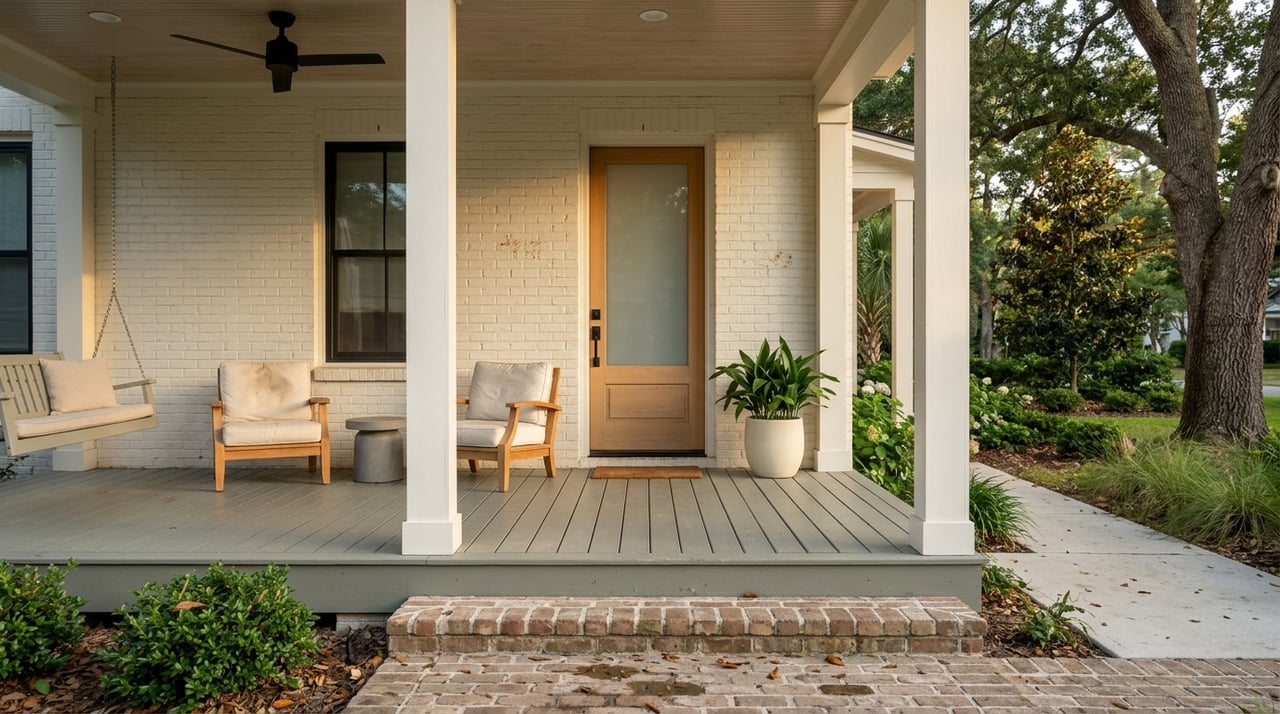
Abita Springs Outdoor Living and Front-Porch Culture
May 21, 2026
May 21, 2026
If a home feels better when life spills outside, Abita Springs is hard to ignore. This is a town where porches are not just decorative details and parks are not just occasional destinations. If you are looking for a place where walking, biking, sitting outside, and casually seeing neighbors can be part of everyday life, Abita Springs gives you a clear sense of place. Let’s take a closer look.
Abita Springs has a town layout that naturally supports time outdoors. The Tammany Trace runs straight through the center of town, and the Abita Springs Trailhead & Park sits right on the Abita River. According to the town, that area includes sheltered picnic tables, a historic pavilion, a splash pad, a museum, and a playground.
That matters when you are thinking about lifestyle, not just square footage. In Abita Springs, recreation and daily routines overlap in a way that feels easy and local. The town also describes its historic commercial district as being at the town center alongside the Trace and Trailhead & Park, which creates a compact core where public gathering, errands, and outdoor time come together.
The outdoor identity goes beyond one park. The town is also developing a Conservancy Area and Nature Center project in historic downtown with nature trails, a pollinator garden, river access, birdwatching, hiking, and nature photography. If you want a home base that keeps you connected to green space, Abita Springs clearly leans in that direction.
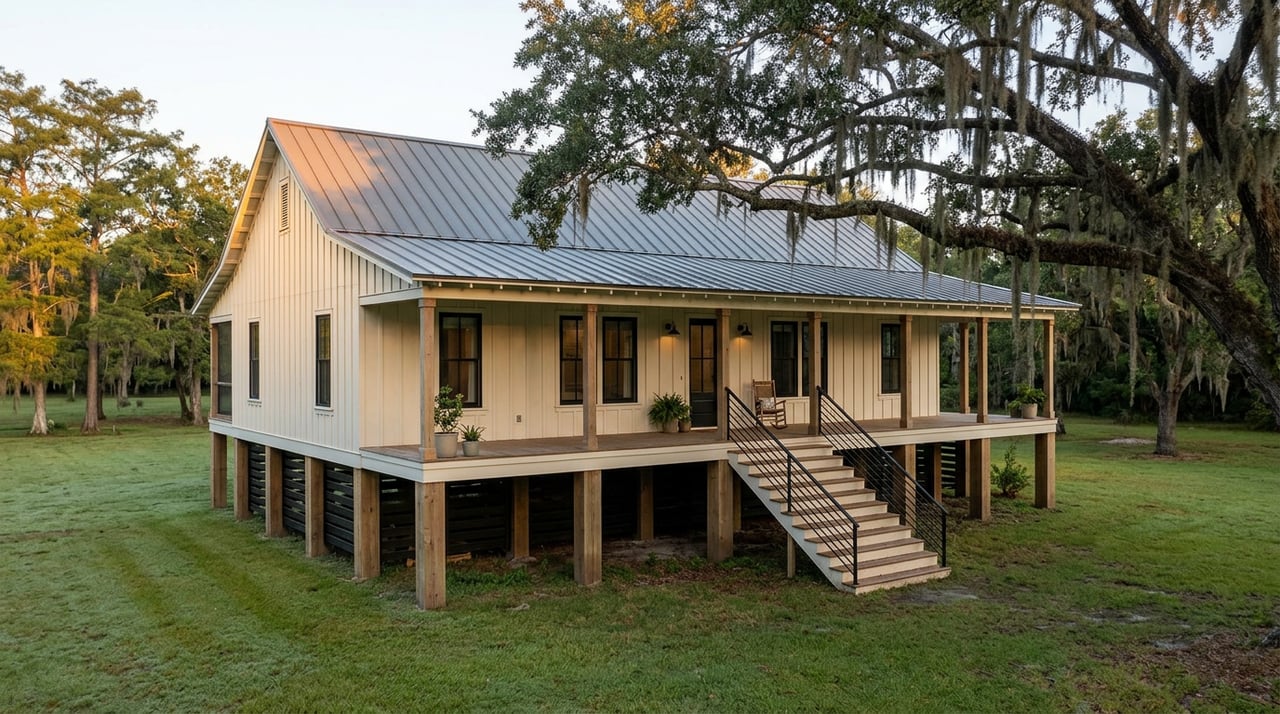
Abita Springs did not become porch-friendly by accident. National Register documentation says the town developed as a late-19th and early-20th century resort community for visitors from the New Orleans area, and many of the remaining residential buildings are generally small with large porches that support a leisurely, outdoors-oriented lifestyle.
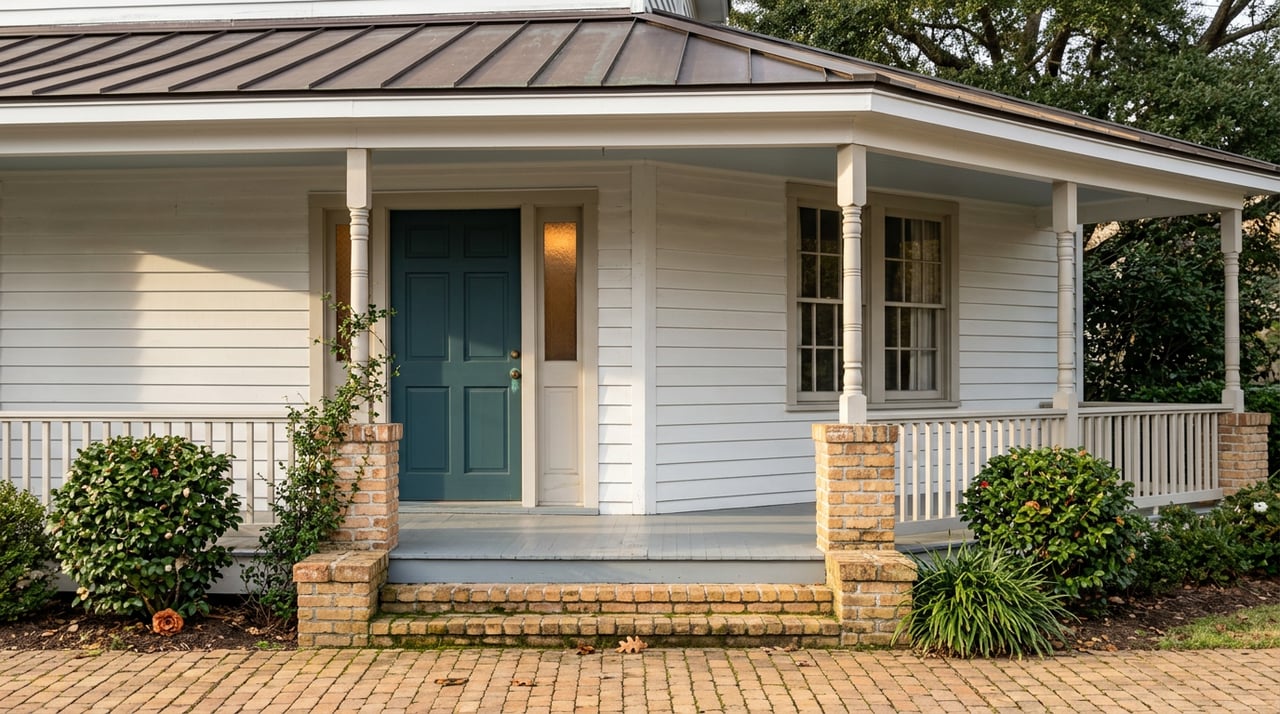
That history still shows up in the way many homes relate to the street and yard. The town’s design review guidelines say many homes in the historic district use shotgun or North Shore plans with wide verandas wrapping around the facade and side. The guidelines also describe porches as character-defining features that should be preserved.
In practical terms, that means the porch is often part of how a home lives day to day. It can be where you drink coffee in the morning, cool down in the evening, or wave to people passing by. In a town with a compact center and a strong walking pattern, those details shape how connected a place feels.
Abita Springs sits in a warm, humid Gulf Coast climate, and that makes covered outdoor space especially practical. Nearby NOAA climate normals for Slidell show average highs reaching the upper 80s in June through August, with mean highs of 89.6 degrees in July and 89.7 degrees in August. Annual precipitation is about 66.17 inches.
That kind of weather helps explain why covered porches, screened seating areas, and mature shade trees matter. These are not just design choices that look charming in listing photos. They can make daily life more comfortable by creating protected outdoor space during hot, humid, or rainy stretches.
If you are home shopping in Abita Springs, it helps to think beyond the basic count of bedrooms and baths. Outdoor features may have a real impact on how often you use your property and how well it fits the local climate.
When you tour homes in Abita Springs, some outdoor features deserve extra attention because they fit the town’s setting and rhythm so well.
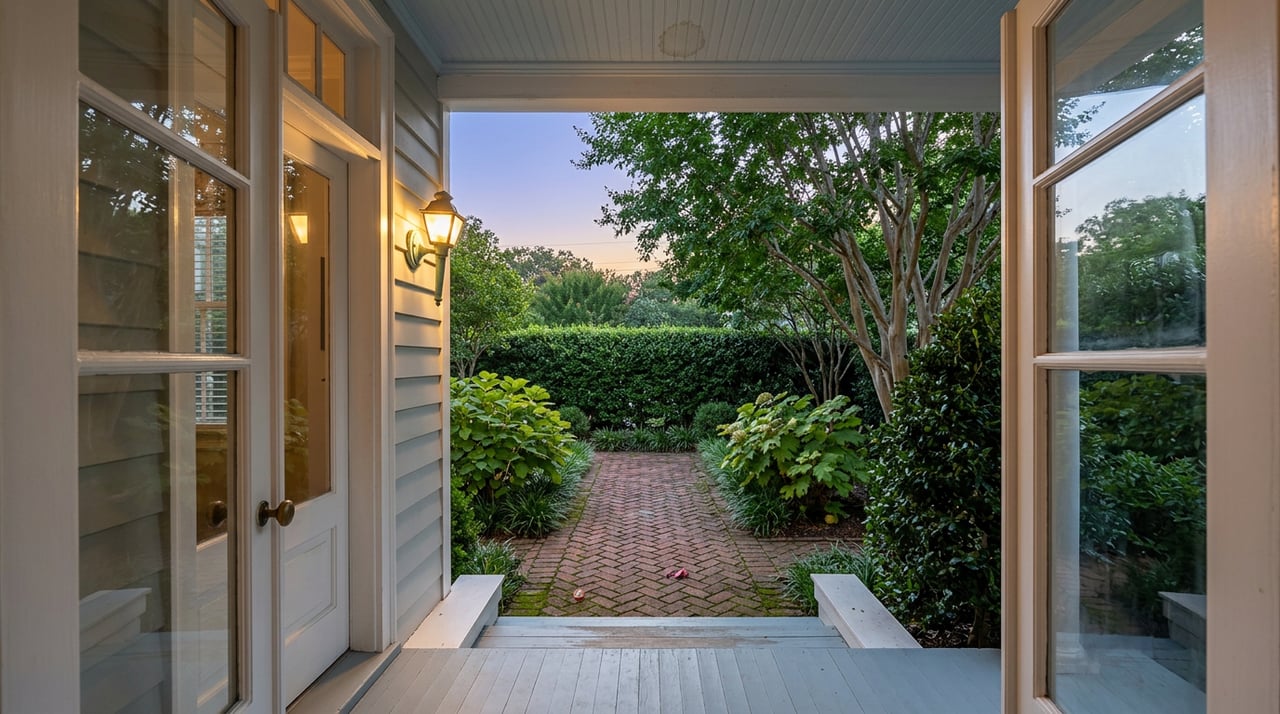
A covered front porch can expand your everyday living space. In a place known for porch-forward architecture, this feature often supports both comfort and curb appeal. It also fits the town’s long-standing pattern of homes designed for outdoor use.
Wraparound porches can give you more flexibility throughout the day. You may get different levels of shade, more seating options, and better airflow depending on the lot and the home’s orientation. In Abita Springs, this is also a feature tied to local historic design.
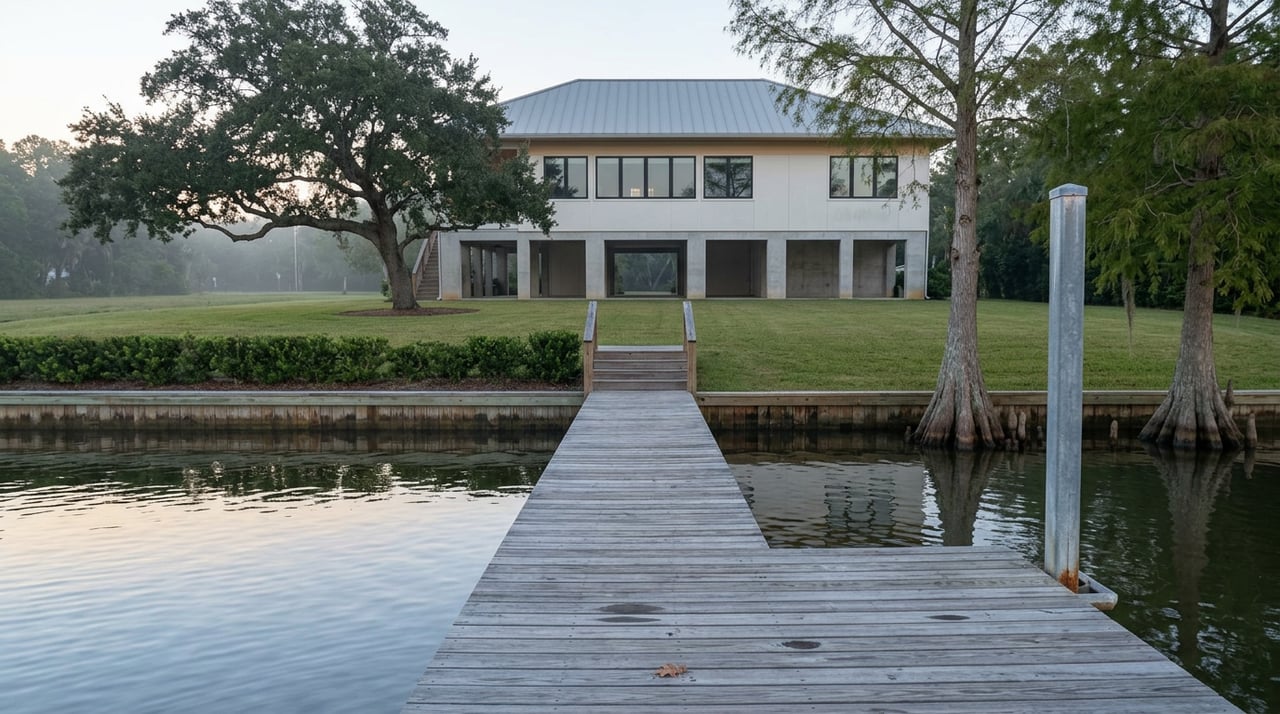
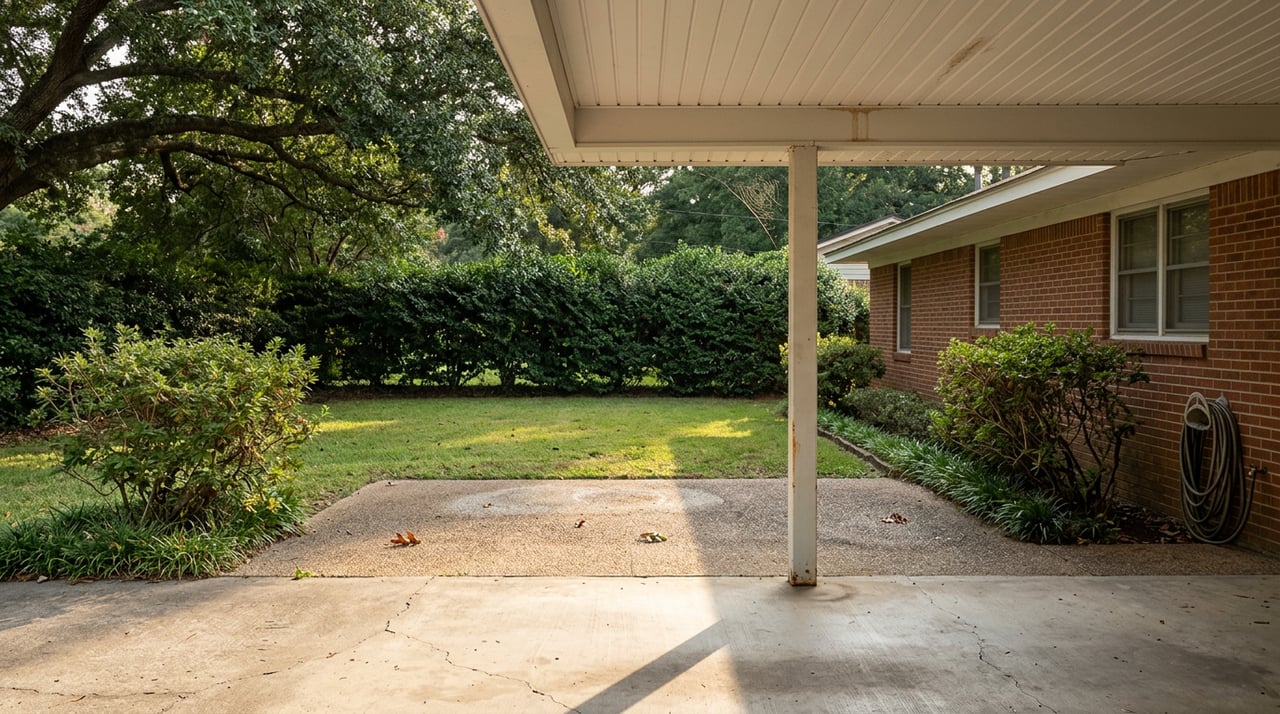
The town’s design guidelines describe the historic district as widely spaced and heavily wooded. That tree cover is part of the visual character, but it can also make outdoor time more pleasant. A shaded yard may support gardening, relaxing, or hosting without full sun exposure all day.
In a humid climate, screened areas can be especially useful. They let you enjoy fresh air with more protection from the elements. If you want outdoor space that feels usable in more seasons, this can be a smart feature to prioritize.
Look at how the indoor and outdoor spaces connect. A smooth path between the kitchen and a porch, patio, or backyard seating area can make everyday meals and weekend gatherings simpler. Small layout details can make a big difference in how often you actually use the space.
Because the Tammany Trace is such a central part of town life, storage matters. A garage, shed, or dedicated area for bikes and outdoor gear can help keep your routines organized. If you plan to bike, walk, or spend regular time at the park, this detail is worth noticing.
Abita Springs’ event calendar reinforces the town’s outdoor identity. Official town pages list a Sunday Art and Farmers Market at Trailhead Park, Busker Fest, the Whole Town Garage Sale, the Louisiana Bicycle Festival, the Abita Springs Opry, the Northshore Cajun Dance, the En Plein Air exhibition, and the Water Festival.
Some of these events are especially tied to public outdoor space. The town describes Busker Fest as an outdoor event with live music, food, drinks, and an arts-and-crafts village. It also describes the Whole Town Garage Sale as one of Louisiana’s largest garage sale events, with hundreds of people participating across town in March.
For you as a buyer, that event mix tells an important story. It suggests a place where people are comfortable gathering casually, spending time outside, and using shared spaces as part of normal community life. If that is the kind of atmosphere you want, Abita Springs offers strong signals.
A town’s physical form shapes daily living more than many people expect. In Abita Springs, the historic district guidelines describe streets laid out in a grid, with the railroad corridor running through the community and a town center that includes stores, churches, public buildings, and open space.
That compact pattern can make a home feel connected to more than its lot lines. You may find that a porch, short walk, or bike ride becomes part of your routine in a more natural way. When a town center, recreation spaces, and residential streets are closely linked, lifestyle value often comes from the setting as much as the home itself.
If you are considering Abita Springs, think about how you want to live, not just what you want to own. A smaller home with a generous porch, mature trees, and easy access to the Trace may fit your goals better than a larger property with less useful outdoor space.
It also helps to think seasonally. Ask yourself how the home will function during hot summer afternoons, rainy days, and mild mornings when being outside is especially appealing. In this market, comfort often comes from the relationship between the house, the lot, and the town around it.
If you own a home in Abita Springs, your outdoor features may be a major part of the property’s appeal. A wide porch, shaded lot, screened seating area, or bike-friendly storage can help buyers picture a lifestyle that fits the town.
That means presentation matters. Clean, inviting outdoor spaces and thoughtful marketing can help buyers see how your home connects to the character of Abita Springs. When your listing highlights both the property and the town’s porch-and-park rhythm, it can tell a more compelling story.
If you want guidance on buying or selling in Abita Springs or anywhere across the Northshore, Patricia Conaghan offers hands-on, neighborhood-focused service designed to help you make a confident move.
Stay up to date on the latest real estate trends.
Patricia has a comprehensive understanding of the market and is skillful in strategic pricing and marketing. She believes her clients are #1. It's all about her clients and their best interests. Patricia helps people every step of the way when purchasing or selling homes, providing professional and trustworthy full service.