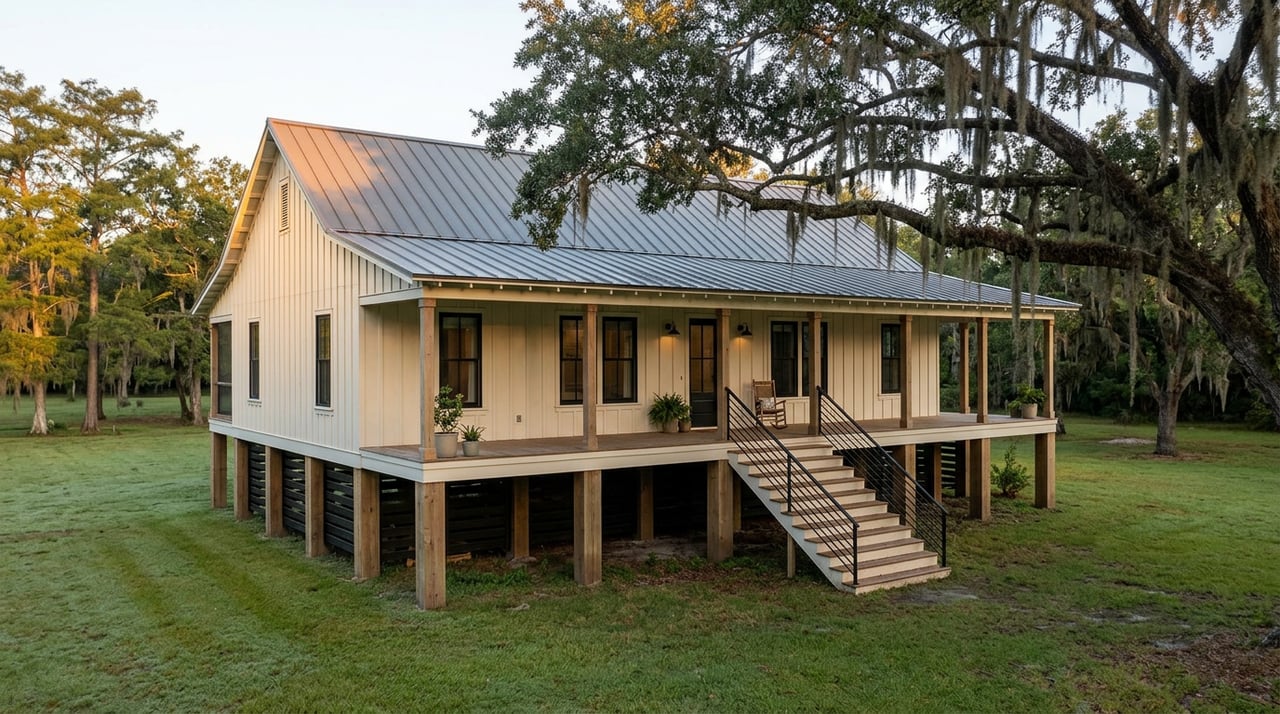
How Old Mandeville Flood Rules Can Affect Renovation and House-Raising Decisions
September 10, 2026
September 10, 2026
Leonard and Becky Rohrbough had already lived through enough near misses on their lakefront home in Old Mandeville to feel the water creeping closer with every storm season. When they finally faced the decision to raise the historic house, the choice came down to two costs: pay well into six figures to lift the structure, or keep paying flood insurance rates that were only headed up, according to reporting from the Preservation Resource Center on their case. There was a third cost they weighed too. If they ever sold without raising the house, they knew a buyer would expect a price discount to cover the project themselves.
That third cost is the one most Old Mandeville lakefront owners underestimate, and not for the reason you'd guess. The bigger surprise in Mandeville's flood rules is that you don't need a hurricane to trigger a mandatory raise. According to FEMA, a decade of ordinary, permitted renovation can do it on its own.
Mandeville rewrote its approach to flood risk after Hurricane Katrina. City Planner and Floodplain Manager Lauren Brinkman has described the shift as a direct response to the storm's damage to the city's historic homes and businesses, and the regulatory priority that came out of it was straightforward: get structures above the water.
The ordinance that resulted doesn't only apply the moment a storm damages a house badly enough. It tracks the cumulative cost of every permitted improvement to a property over a rolling 10-year window. Once those improvements add up to 50 percent or more of the home's market value before the work started, the house is treated the same as one that suffered substantial storm damage. It has to meet current flood standards.
That means a new roof one year, a rebuilt porch two years later, and a kitchen renovation after that, each modest and each properly permitted, can combine into a substantial improvement determination that nobody saw building. The clock has been running the whole time, quietly, in the permit file rather than on any calendar the homeowner was watching.
A homeowner planning to stay another twenty years might never approach that 50 percent line, spreading small projects thin across decades. A seller trying to move a listing is a different case. Pre-listing prep, the new kitchen, the refinished floors, the addition meant to compete with newer construction down the street, is exactly the kind of spending that pushes an older home's cumulative renovation total toward the threshold right when the owner most needs a fast, predictable closing.
Buyers should be thinking about this too. A house that looks untouched from the street can carry a permit history at the city level that no listing sheet discloses. Anyone shopping the Old Mandeville lakefront should ask for that permit record before assuming a home is grandfathered out of the freeboard requirement. Grandfathering has a limit, and that limit is cumulative, not tied to any single project.
The upside of meeting the standard is measurable. The City of Mandeville currently holds a Class 5 rating in FEMA's Community Rating System. According to Fludzone, that rating translates into up to a 25 percent discount on NFIP flood insurance premiums for properties inside the mapped high-risk area, with a smaller discount available outside it. The discount rewards raising a home specifically, because a structure built or lifted to meet the freeboard standard is a lower risk to insure than one sitting at grade.
The other side of that math is what happens without it. Reporting on the Old Mandeville raising debate quoted a local official estimating that non-elevated homes in high-risk lakefront zones could face flood insurance premiums of $10,000 a year or more as rates continued adjusting to actual risk. That estimate dates back to 2019, and premiums have generally moved in one direction since, so treat it as a floor rather than a current figure.
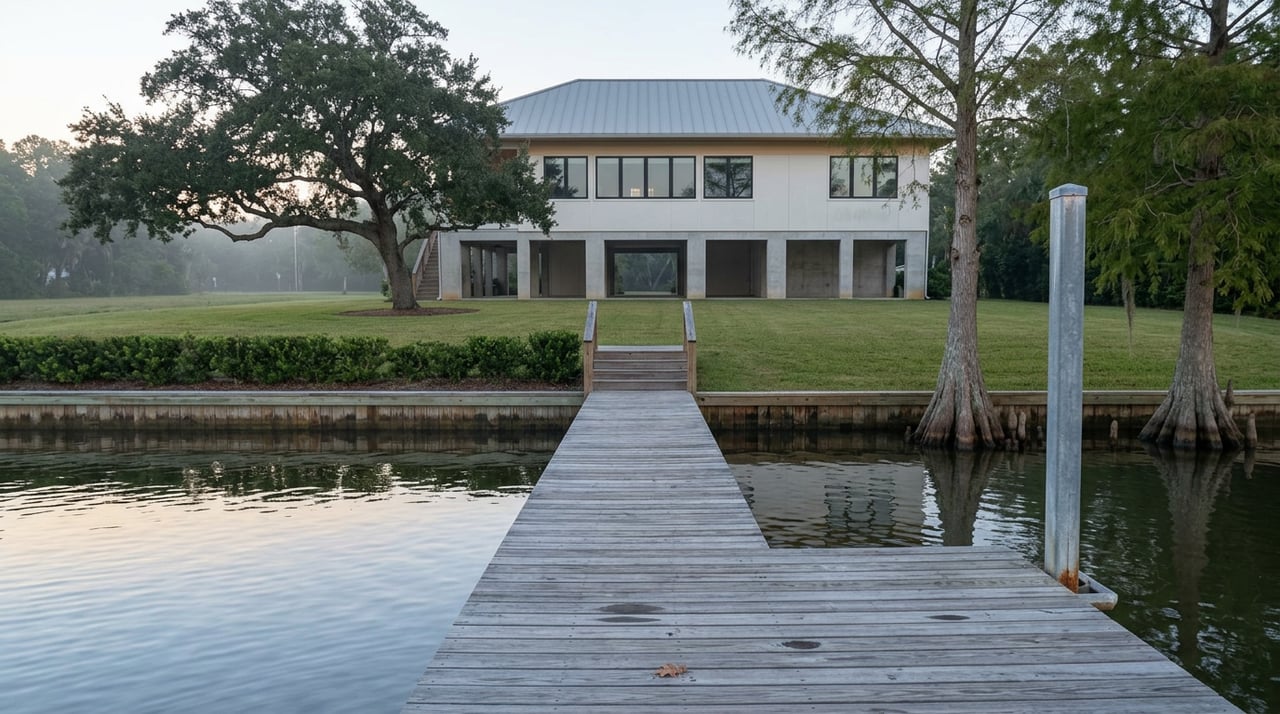
Set that beside the FEMA case study's account of a Mandeville homeowner identified as Williams, whose raised house stayed dry through Hurricane Ida's 8.5-foot storm surge in 2021. Williams estimated that without the earlier work, the home would have taken on roughly 3.5 feet of water. The freeboard requirement stops looking like a bureaucratic hurdle at that point and starts looking like the reason some owners kept their premiums manageable through the last major storm this stretch of the lake actually saw.
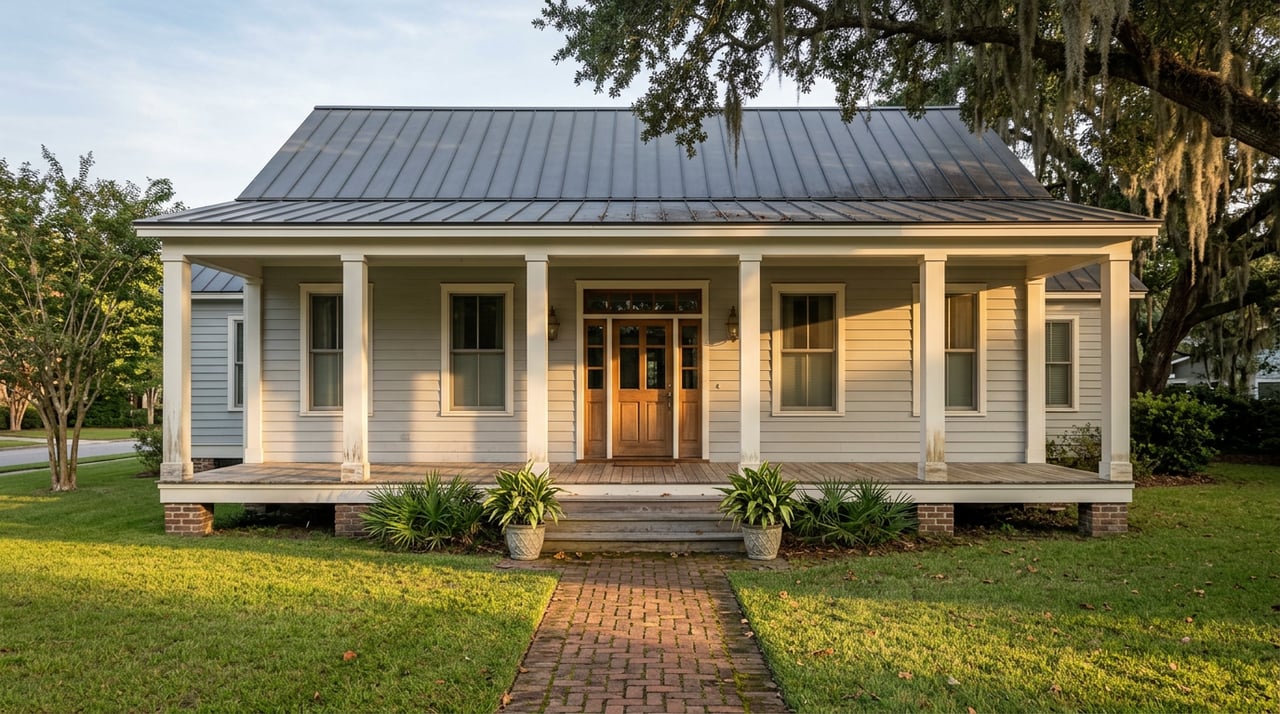
Raising a house is more complicated in Old Mandeville than it would be in a newer subdivision, because a meaningful share of the lakefront's housing stock sits inside the Old Mandeville Historic District, a neighborhood whose oak-lined streets trace back to the town's founding in 1834 by Bernard de Marigny de Mandeville. As the Preservation Resource Center reported, Becky Rohrbough, a former president of the Old Mandeville Historic Association, called the decision to raise her own home "gut-churning" in part because lifting a historic structure risks changing the character that makes it worth preserving in the first place.
The city has worked through that tension in public. Planning Director Louisette Scott has pushed for local guidelines that let structures come up to current flood standards without turning them into houses that look like fishing camps propped on cinder blocks, as the Preservation Resource Center reported. Representatives from the National Park Service have toured raised historic homes along the Mandeville lakefront to see how flood compliance and historic character can coexist on the same lot, a sign that enough of these projects now exist to study.
That track record exists because Mandeville has been doing this long enough to have real examples to point to. Anyone selling a historic lakefront property with a pending or partial permit history should expect design review to add both time and cost to any raising project, on top of construction itself.
Before assuming a lakefront home is fine as-is, or before spending renovation money meant to help it show better, a few things are worth checking first:
Do I need an elevation certificate to sell a home in Mandeville? According to ValuePenguin, federal flood insurance no longer requires one to write a standard NFIP policy, a change that took effect back in October 2021. In practice, buyers on the lakefront and their insurance agents still ask for one, because it turns a flood zone guess into a documented premium estimate before closing.
Does one big renovation count the same as several small ones? Yes. The ordinance tracks cumulative cost over a rolling 10-year window, so a single major addition and three smaller projects spread across the same decade get measured against the same 50 percent threshold together.
If you own or are eyeing a home on the Old Mandeville lakefront and want a clear read on where it stands against this clock before you renovate, list, or make an offer, that's a conversation worth having early. Patricia Conaghan works this stretch of the lake and can help you pull the right records before they become a surprise during someone's inspection period. Let's talk about your next move.
This article is general information, not legal, tax or financial advice. Consult a qualified professional about your situation.
Stay up to date on the latest real estate trends.
Patricia has a comprehensive understanding of the market and is skillful in strategic pricing and marketing. She believes her clients are #1. It's all about her clients and their best interests. Patricia helps people every step of the way when purchasing or selling homes, providing professional and trustworthy full service.