Explore Mandeville Lakefront Living: Homes & Views
April 2, 2026
April 2, 2026
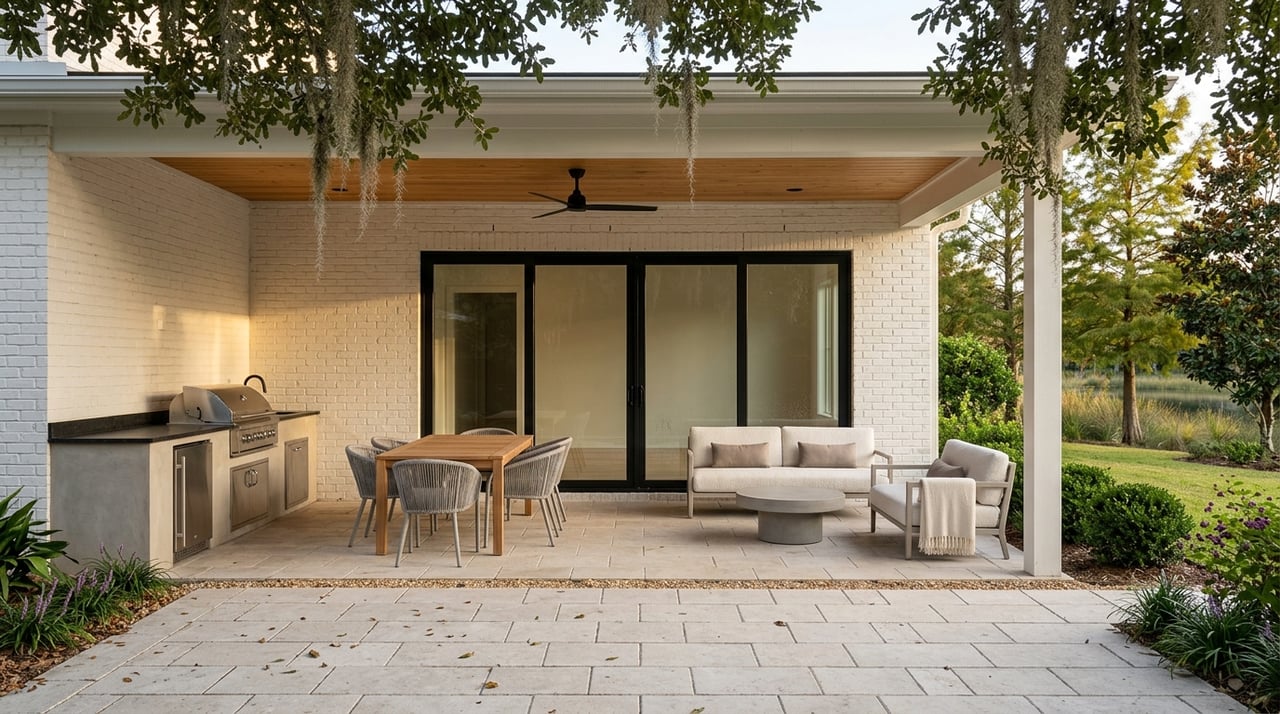
If you picture lakefront living as something private and tucked behind gates, Mandeville may surprise you. Along this stretch of Lake Pontchartrain, the shoreline was protected so it would remain open and unobstructed, which gives the area a very different feel from many waterfront communities. If you are exploring a move, a second home, or a lifestyle change on the Northshore, this guide will help you understand what makes Mandeville’s lakefront special, from homes and parks to daily views and outdoor access. Let’s dive in.
Mandeville is an historic lakefront community on the north shore of Lake Pontchartrain with 13,192 residents, about 7 square miles of land, and roughly 1.5 miles of shoreline, according to the City of Mandeville demographics page. That smaller scale is part of the appeal.
What really sets the lakefront apart is its public feel. The city notes that the shoreline was protected by covenant so it would remain open and unobstructed, which helps preserve broad views, breezes, and a sense that the waterfront is something you can enjoy as part of daily life, not just admire from a distance.
The setting also balances convenience and atmosphere. Mandeville sits at the foot of the Causeway Bridge, so you stay connected to the greater New Orleans area while enjoying a slower-paced environment shaped by live oaks, water recreation, and sunset views.
Lakefront living in Mandeville is not just about scenery. It is also about rhythm. Morning walks, bike rides, weekend markets, outdoor concerts, and stopping to watch the light change over the lake all play a role in how the area lives day to day.
That matters if you are choosing a home based on lifestyle, not just square footage. In Mandeville, the lakefront is both scenic and active, with public spaces that support everyday use as well as special events.
The Mandeville Lakefront itself is a passive park that runs about one mile. Historic features like the gazebo and fountain help give it a classic, established character, and the city also allows the Lakefront Gazebo and Sunset Point to be reserved for small weddings and gatherings.
If you want a spot that feels more like a community hub, the Mandeville Trailhead Market is one of the city’s signature destinations. Located in Old Historic Mandeville on the former rail depot site, it hosts more than 80 local artisans, producers, and growers on Saturdays from 9 a.m. to 1 p.m.
The Trailhead also offers practical amenities that make it easy to spend time there. You will find public restrooms, pavilions, an amphitheater, a lookout tower, picnic facilities, a splash fountain, and free Friday evening concerts.
One of the biggest advantages of living near the lakefront is that your outdoor options extend well beyond the shoreline. The city describes the Tammany Trace as a favorite route for biking, walking, and skating and as part of a regional rail-trail system.
That gives you more variety than a simple waterfront sidewalk. Whether you want a quick evening walk or a longer weekend ride, Mandeville connects you to a broader outdoor network that supports an active lifestyle.
Nearby state parks expand those options even more. According to Louisiana State Parks, Fontainebleau State Park is a 2,800-acre park on Lake Pontchartrain southeast of Mandeville with a beach, long pier, trails, cabins, and the Trace running through it. The same source notes that Fairview-Riverside State Park includes 99 acres on the Tchefuncte River with a nature trail, picnic areas, fishing access, and a nearby public boat launch.
A beautiful shoreline matters, but so does how often people actually use it. Mandeville’s public spaces stay active throughout the year, which adds energy without taking away from the area’s relaxed feel.
The city’s cultural calendar includes Light Up the Lake on the lakefront and Mandeville Live free concerts at the Trailhead. That mix of recurring events helps explain why the lakefront feels like part of everyday community life rather than a backdrop you visit once in a while.
For many buyers, lifestyle means being able to walk, drive, or bike to places that make a normal week feel a little better. Dining is part of that equation on the Mandeville lakefront.
One standout is Pat’s Rest Awhile, which opened in 2021 on Lakeshore Drive. The restaurant seats 120 indoors and 150 outdoors and occupies a raised historic complex with porches, decks, and lake views.
Louisiana State Parks also highlights downtown Mandeville dining options near the waterfront, including The Lakehouse, Nuvolari’s Ristorante, Pat Gallagher’s 527 Restaurant, and Liz’s Where Y’at Diner. Together, these spots add to the area’s mixed live-work-play feel and make the lakefront more than just a residential setting.
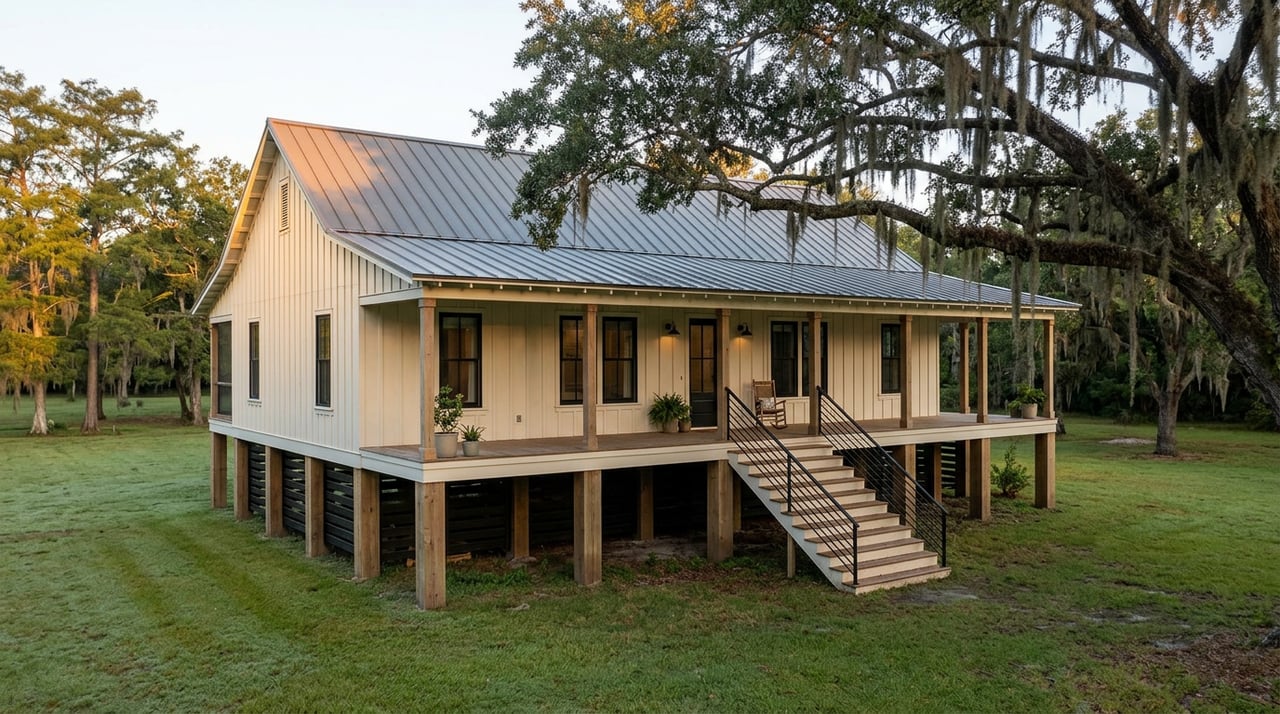
If you are shopping for a home here, one of the most appealing things is the variety. The lakefront area is not defined by a single housing style or era.
The city’s 2015 historic district survey documents about 1,520 parcels in the district and identifies a mix of housing forms, including Creole cottages, North Shore shotguns, and later minimal-traditional houses. This gives buyers a broader range of architectural character than you might expect in a relatively compact area.
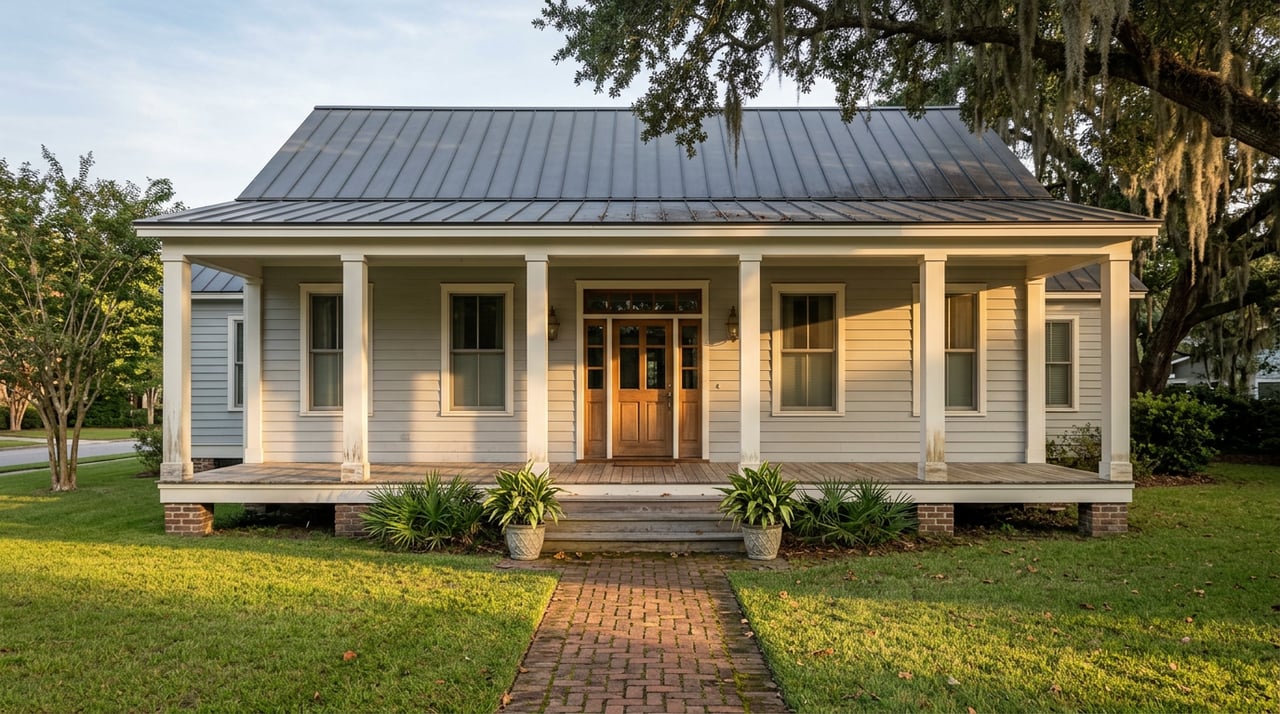
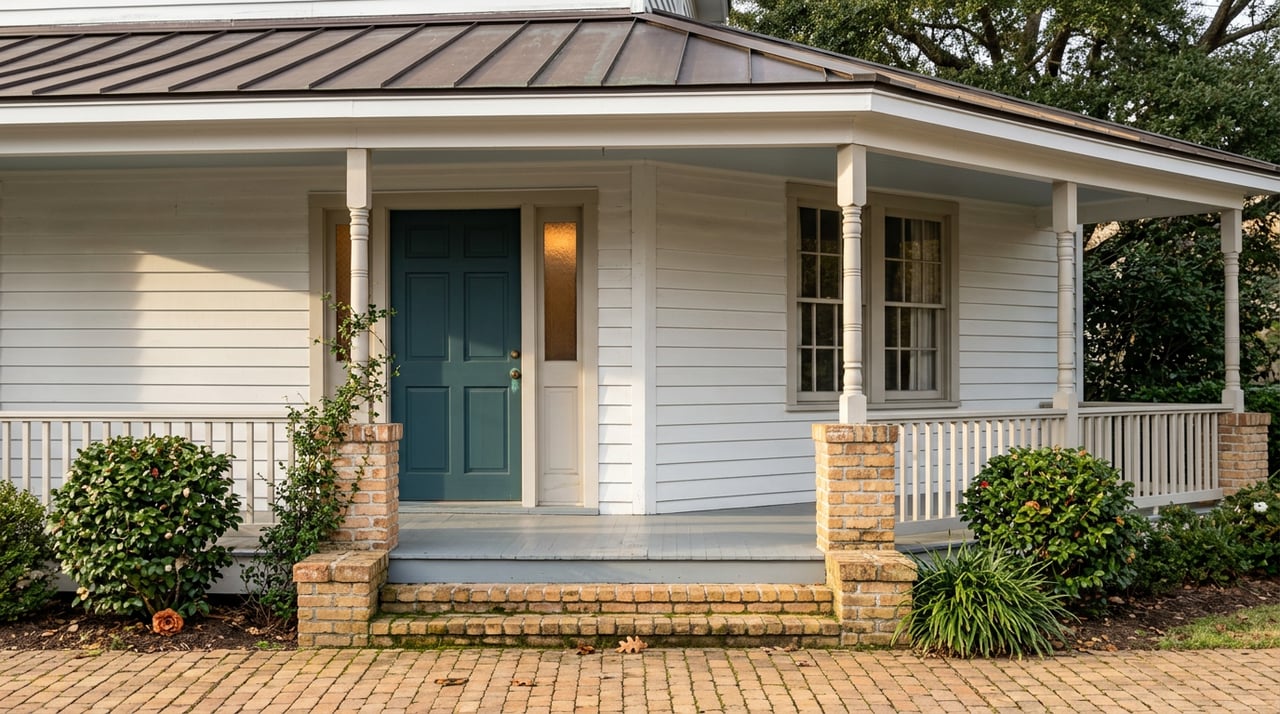
The city’s design guidance describes the typical Mandeville Creole cottage as one to one-and-one-half stories, two rooms wide and two rooms deep, often with integrated porches. Those details help explain why older homes near the lakefront often feel especially tied to the outdoors.
Mandeville’s lakefront history still shapes what you see today. The city says the area began attracting summer homes in the 1830s, when New Orleans residents sought large lakefront lots, cleaner air, and lake breezes.
Several homes from the 1830s and 1840s still remain on the lakefront, which adds a layer of authenticity that is hard to replicate. At the same time, the city notes that post-Katrina elevation requirements changed parts of the streetscape while also strengthening preservation efforts.
The result is a built environment that feels layered rather than uniform. You may find compact historic cottages, larger historic summer homes, and later single-family houses, all within a setting shaped by mature trees, setbacks, and proximity to the water.
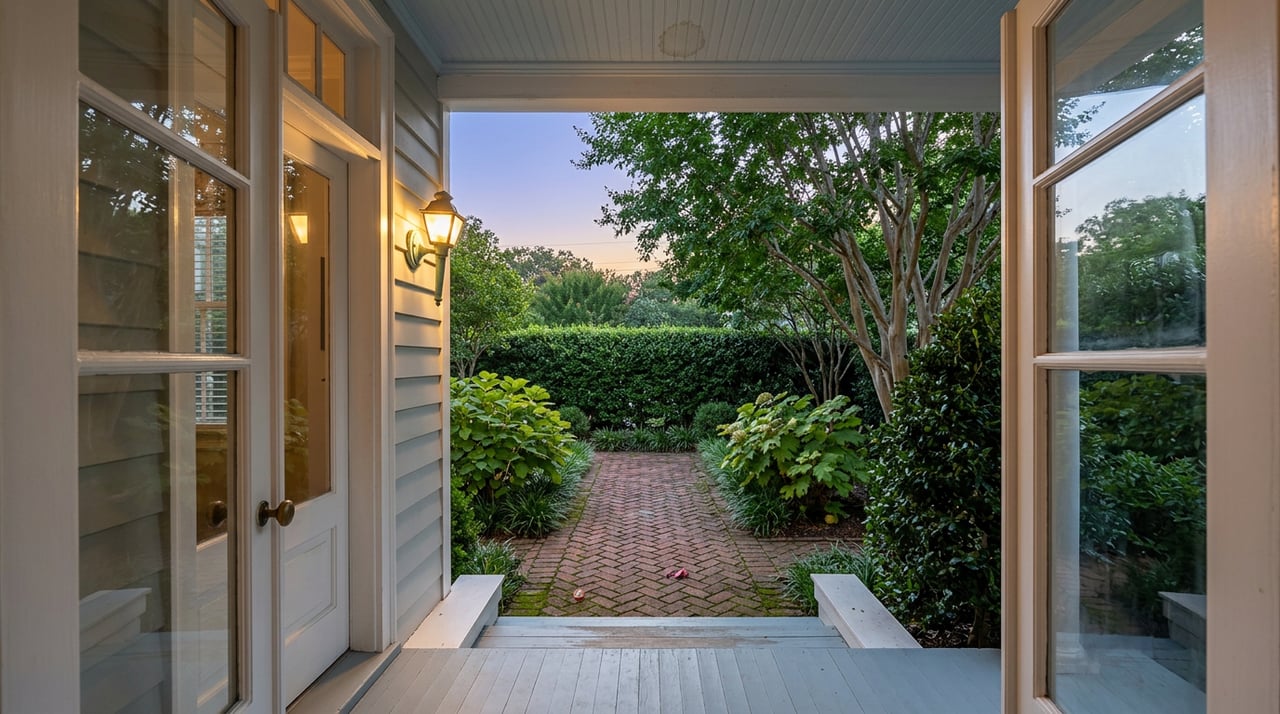
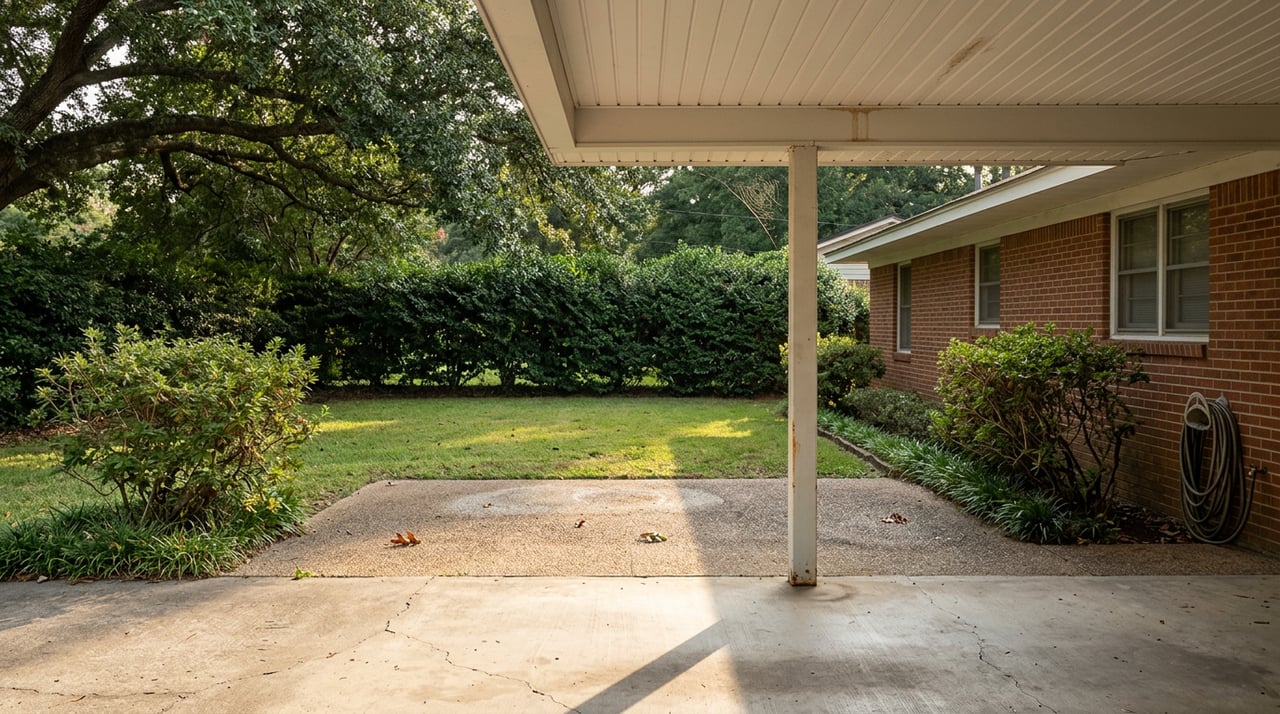
When you tour homes near the lakefront, look beyond finishes and floor plans. In this part of Mandeville, the lot, the porch, the relationship to the street, and the connection to public open space can matter just as much as the interior.
The city’s planning guidance says the area preserves spacious lot sizes, protective setbacks, and a 35-foot height limit so the tree canopy remains dominant. That means many homes benefit from a softer, greener streetscape and a sense of openness that supports indoor-outdoor living.
If you value shade, walkability to public spaces, and the possibility of water views or breezes, those details can become a major part of your day-to-day experience. They also help explain why lakefront-adjacent homes can appeal to both full-time residents and buyers seeking a lifestyle-focused property.
The answer depends on what kind of waterfront experience you want. If you are looking for a place where public access, parks, trails, local events, and historic character all shape daily life, Mandeville offers a compelling mix.
It can be a strong fit if you want variety in housing, easy access to outdoor recreation, and a setting that feels connected to the lake without being isolated from the rest of town. It can also appeal if you want the Northshore lifestyle with a convenient link to the greater New Orleans area.
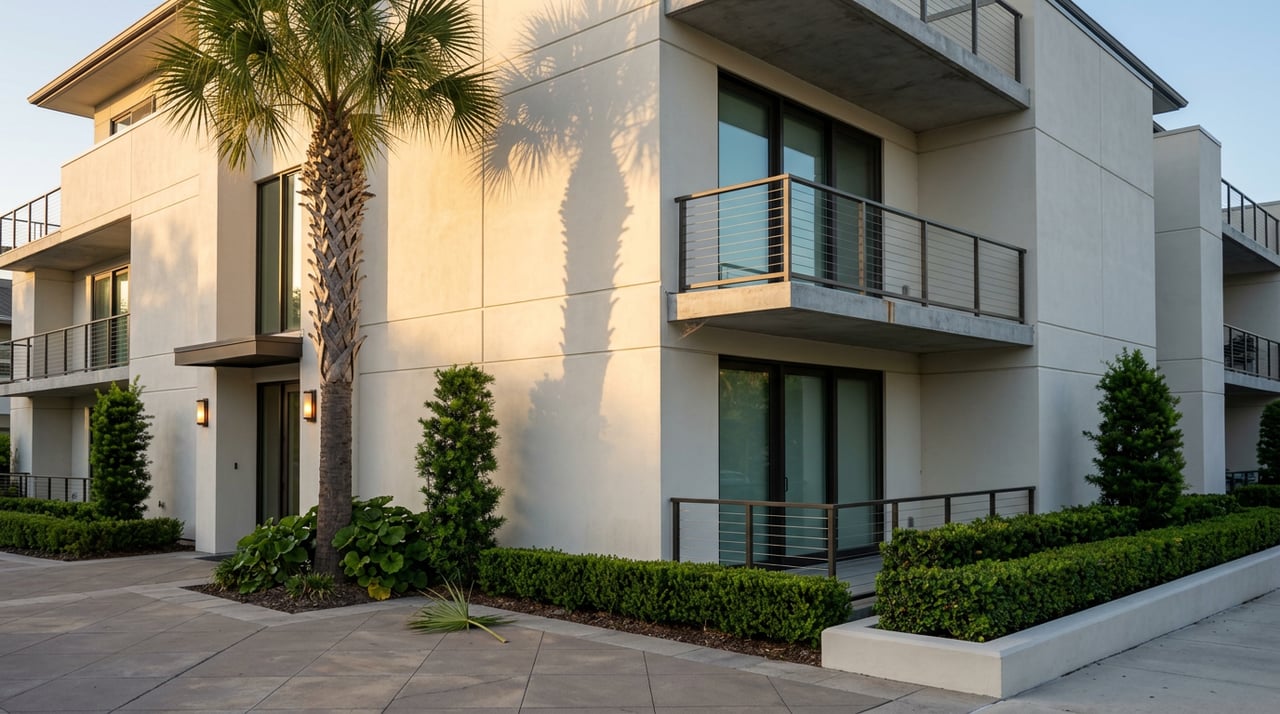
Whether you are searching for a historic cottage, a waterfront home, a condo, or a move-up property nearby, local guidance makes a difference in a market where street-by-street character matters. If you are thinking about buying or selling near the Mandeville lakefront, Patricia Conaghan can help you understand the options and make your next move with confidence.
Stay up to date on the latest real estate trends.
Patricia has a comprehensive understanding of the market and is skillful in strategic pricing and marketing. She believes her clients are #1. It's all about her clients and their best interests. Patricia helps people every step of the way when purchasing or selling homes, providing professional and trustworthy full service.