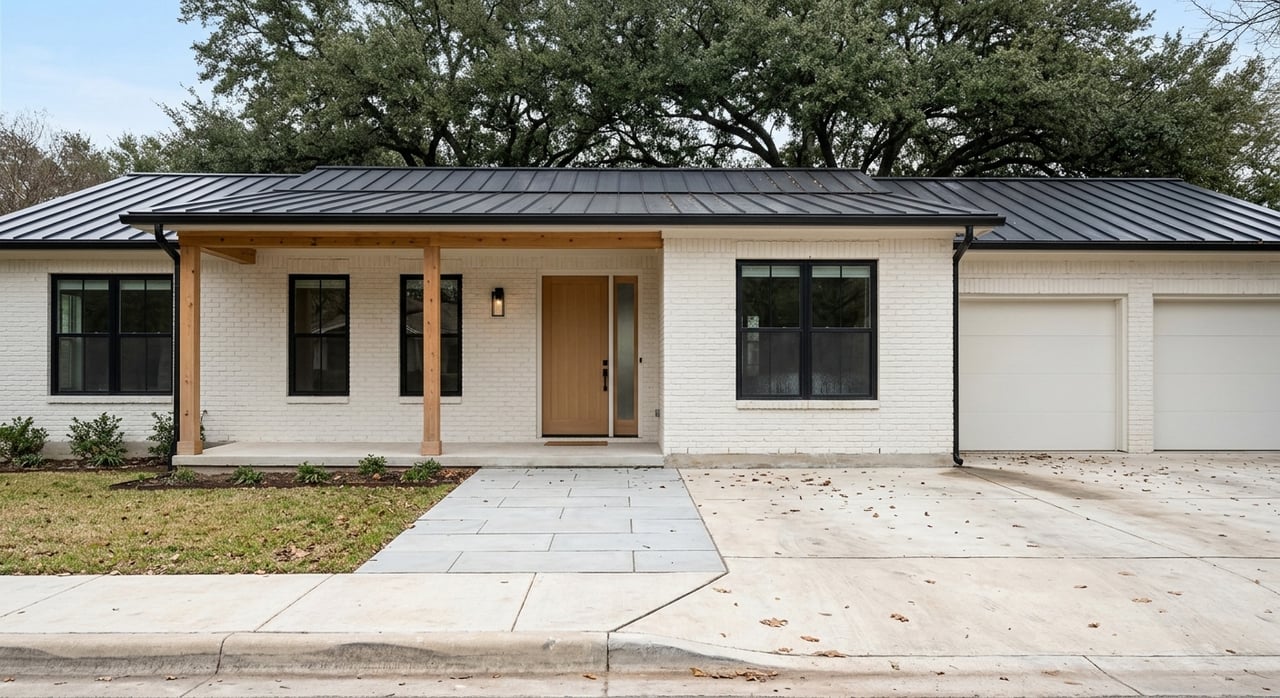
East vs West Mandeville: Find the Right Area for You
May 7, 2026
May 7, 2026
Wondering whether East or West Mandeville fits your lifestyle better? You are not alone. Many buyers moving within Mandeville or relocating to the Northshore find that the choice comes down to how you want to live day to day, not just what house you like best. This guide will help you compare the two sides in a practical way so you can focus your search with more confidence. Let’s dive in.
For many buyers, “East Mandeville” and “West Mandeville” are useful shorthand, not strict official boundaries. In this context, East Mandeville generally refers to the historic lakefront and Old Mandeville side, while West Mandeville usually refers to the areas oriented around West Causeway Approach, LA 22, and Highway 190.
That distinction matters because each side tends to offer a different daily rhythm. East Mandeville feels more historic and lake-oriented, while West Mandeville is often more corridor-focused and convenience-driven.
East Mandeville is closely tied to Old Mandeville and the city’s original 1834 plan. The city describes this area as having protected lakefront open space and a quieter village-style setting.
If you are drawn to walkability and character, this side often stands out first. City materials describe Old Mandeville as pedestrian friendly, with bike paths, mature tree canopy, and historic architecture that gives the area a distinct sense of place.
East Mandeville tends to appeal to buyers who want a more neighborhood-centered experience. The lakefront park stretches about one mile, and the Trailhead Market sits in the heart of Old Historic Mandeville next to the Tammany Trace.
That combination gives parts of the east side a real walk-to-fun feel. You may find it easier to imagine morning bike rides, lakefront strolls, and local stops woven into your regular routine.
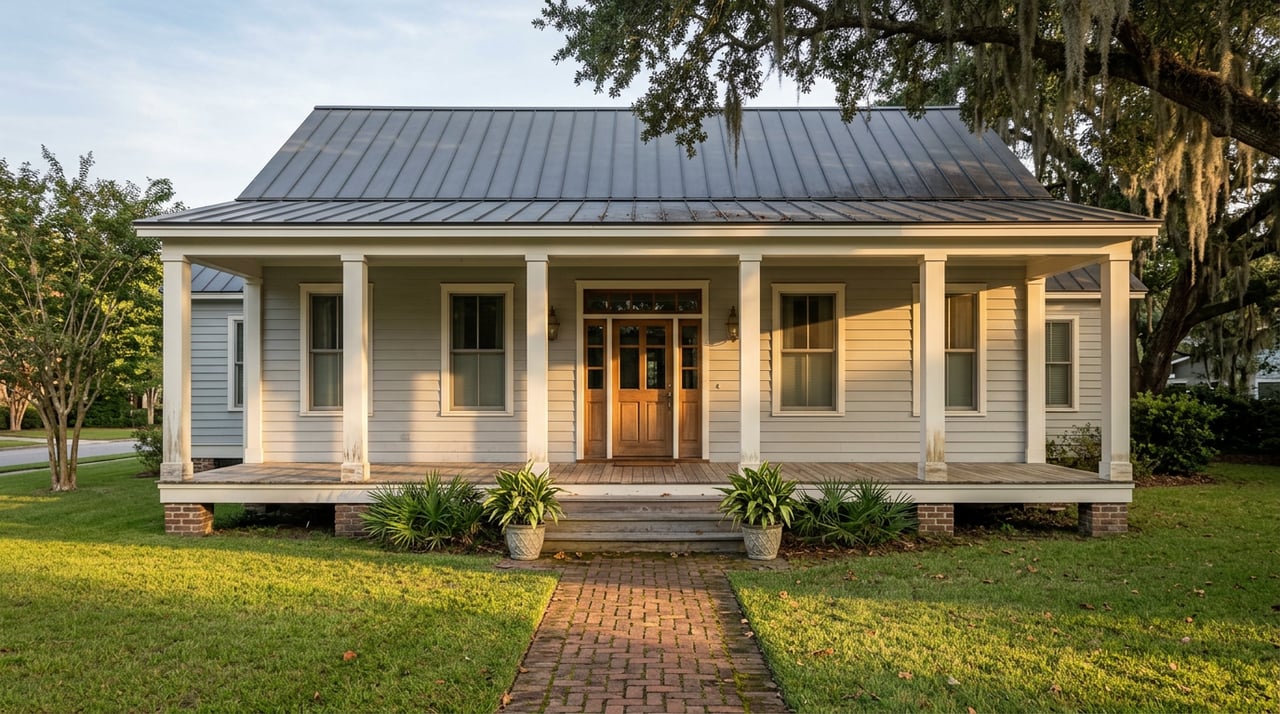
Housing on the east side often leans older and more architectural in style. City history and preservation materials highlight Creole cottages, five-bay Victorians, classic Creole construction, wrap-around galleries, and historic lakefront summer homes along Lakeshore Drive and nearby streets.
You may also notice different lot patterns here. The city notes that some historic parts of Mandeville include preexisting smaller lots that were created before current regulations, which can shape both the feel of the streetscape and the types of homes you see.
The charm of East Mandeville comes with practical considerations. Historic-district rules and design guidelines are intended to preserve historic scale and keep new construction compatible with existing styles.
That can be a benefit if you value continuity and character. It also means you will want to understand any property-specific rules, especially if you are considering renovations, additions, or a custom build.
West Mandeville is generally more connected to the city’s major road corridors. The city’s planning documents describe West Causeway Approach as an access route from LA 22 to the Causeway Bridge for western parts of Mandeville, with substantial commercial retail along the way.
For many buyers, that translates into easier day-to-day logistics. If quick access to major roads, errands, dining, and commuting routes matters most to you, the west side often deserves a close look.
West Mandeville is usually a better fit if convenience is high on your list. Restaurants and service businesses are concentrated along West Causeway Approach, North Causeway Boulevard, Highway 190, and Highway 22, which can make errands feel more streamlined.
Instead of a village-style pattern, this side often feels built around movement and access. You may spend less time winding through historic streets and more time getting directly where you need to go.
Housing on the west side is generally better understood as post-Causeway suburban development rather than the original lakefront grid. In practical terms, buyers often find a more subdivision-oriented setting here, though there are also older pockets and mixed-use areas near bridge corridors.
That can be appealing if you prefer a more conventional suburban layout. It may also give you a different range of home ages, lot setups, and neighborhood patterns than you would find in Old Mandeville.
The biggest advantage of West Mandeville is often efficiency. The tradeoff for some buyers is that the setting may feel less historic and less lakefront-focused than the east side.
That does not make one side better than the other. It simply means your priorities should guide your search, whether that is charm, convenience, commuting ease, or a certain type of home environment.
Here is a simple side-by-side look at how many buyers think about the two areas.
| Feature | East Mandeville | West Mandeville |
|---|---|---|
| General feel | Historic, lake-oriented, pedestrian-friendly | Corridor-oriented, convenience-focused |
| Main reference areas | Old Mandeville, lakefront | West Causeway Approach, LA 22, Highway 190 |
| Streetscape | Mature trees, historic architecture, older lot patterns | More suburban patterns, major access corridors |
| Recreation style | Lakefront park, Trailhead, Tammany Trace, local parks | Convenient access to shopping, dining, and road networks |
| Housing character | Older homes with architectural character | More subdivision-oriented development, plus some older pockets |
| Best fit for | Buyers who value charm, walkability, and historic context | Buyers who value access, errands, and commuting efficiency |
Before you narrow your search, think about how you actually live. The right side of Mandeville often becomes clearer when you focus on your routine instead of trying to rank one area above the other.
Ask yourself:
If lifestyle matters as much as square footage, East Mandeville may have the stronger pull. The city points to the lakefront park, Trailhead Museum, Trailhead Market, Tammany Trace, Lakefront Gazebo, Sunset Point, Tyler Thomas Park, and Paul Cordez Park as part of the local recreation network.
Fontainebleau State Park is also a major regional amenity southeast of Mandeville, with 2,800 acres, campsites, cabins, biking, and trail access tied to the former rail corridor. For buyers who picture outdoor time as part of daily life, that broader recreation network can be a meaningful factor.
West Mandeville, by contrast, often wins on practical movement. If your schedule is busy and you want easier alignment with bridge access and major roadways, the west side may feel simpler to manage on a daily basis.
Wherever you buy in Mandeville, location should include more than a map pin. The city’s floodplain administration maintains flood maps and elevation certificates and requires local permits in special flood hazard areas.
This is especially important if you are considering lakefront or lower-lying historic homes. As you compare homes, make sure you review flood zone, elevation, drainage, and insurance considerations as part of the decision, not as an afterthought.
If you love historic character, lakefront access, and a more pedestrian-friendly setting, East Mandeville may feel like home faster. If you want straightforward access to the Causeway, major roads, and a more convenience-driven daily routine, West Mandeville may be the better fit.
The good news is that you do not have to figure it out alone. A focused home search can help you compare not just the map, but also home styles, lot patterns, recreation access, and the practical details that affect your life after closing.
If you are weighing East versus West Mandeville, working with a local agent who knows the differences block by block can save you time and help you make a more confident move. When you are ready to talk through your options, connect with Patricia Conaghan for thoughtful, local guidance tailored to your goals.
Stay up to date on the latest real estate trends.
Patricia has a comprehensive understanding of the market and is skillful in strategic pricing and marketing. She believes her clients are #1. It's all about her clients and their best interests. Patricia helps people every step of the way when purchasing or selling homes, providing professional and trustworthy full service.