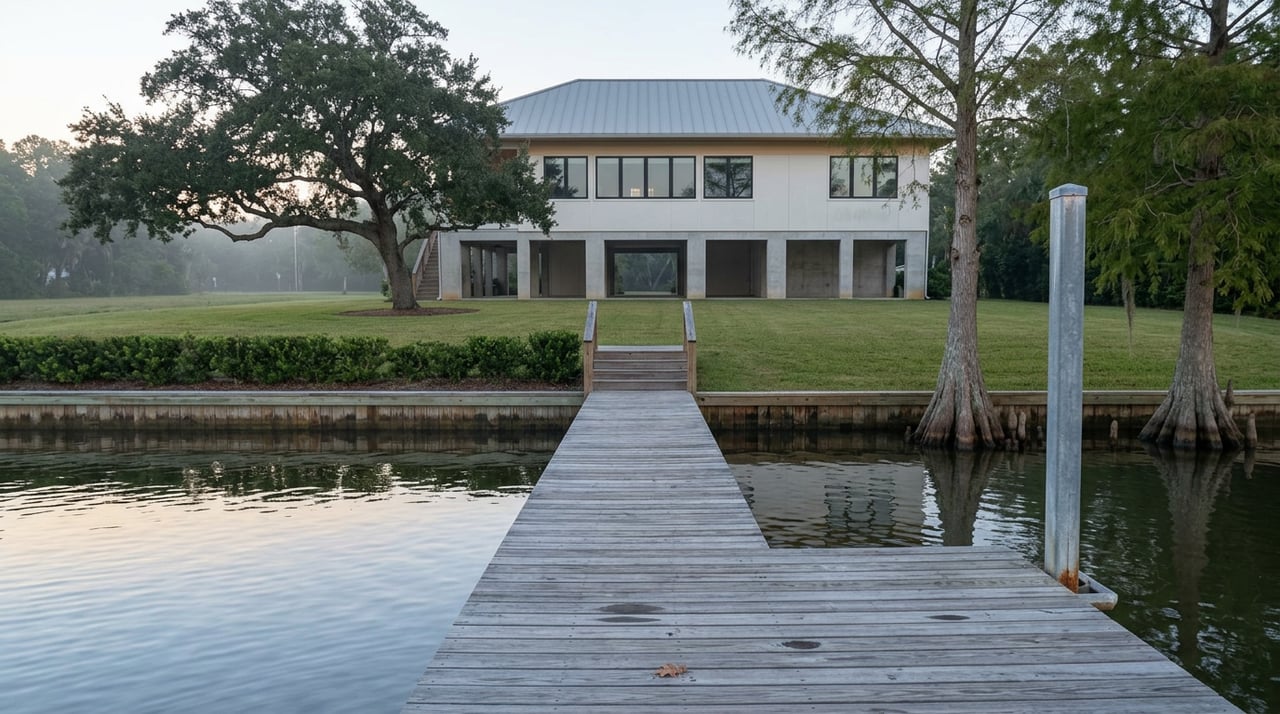
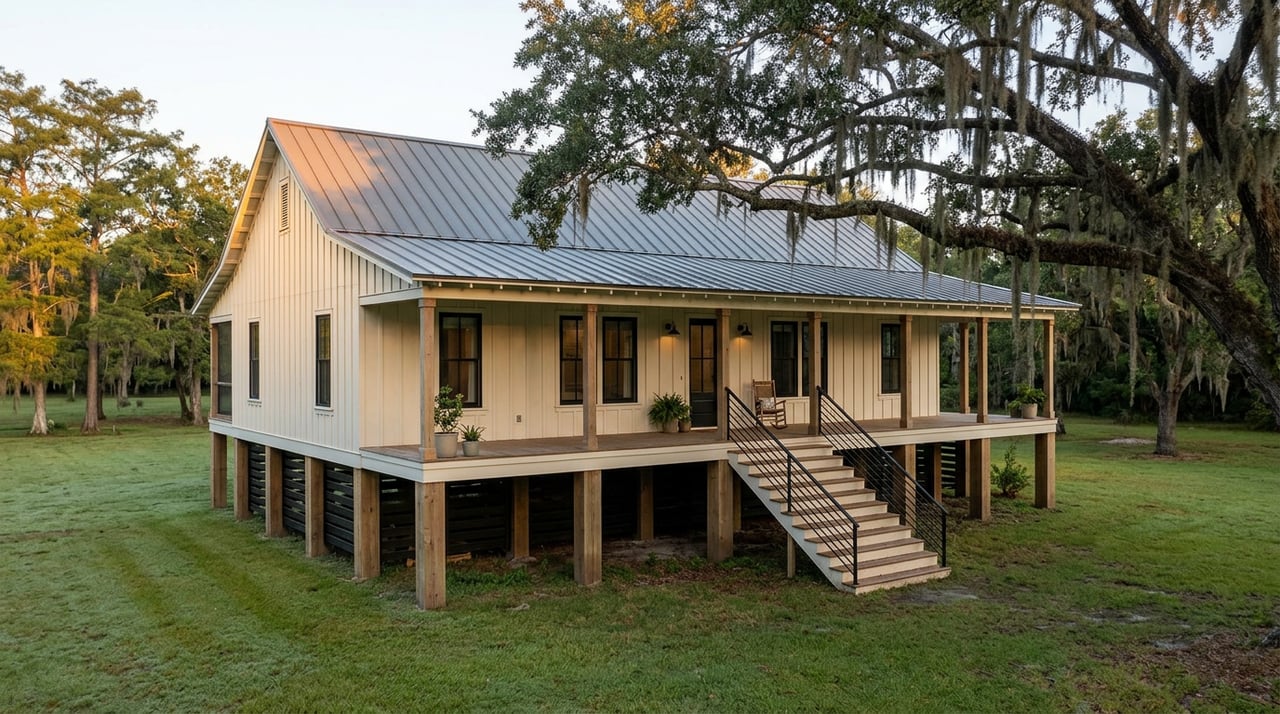
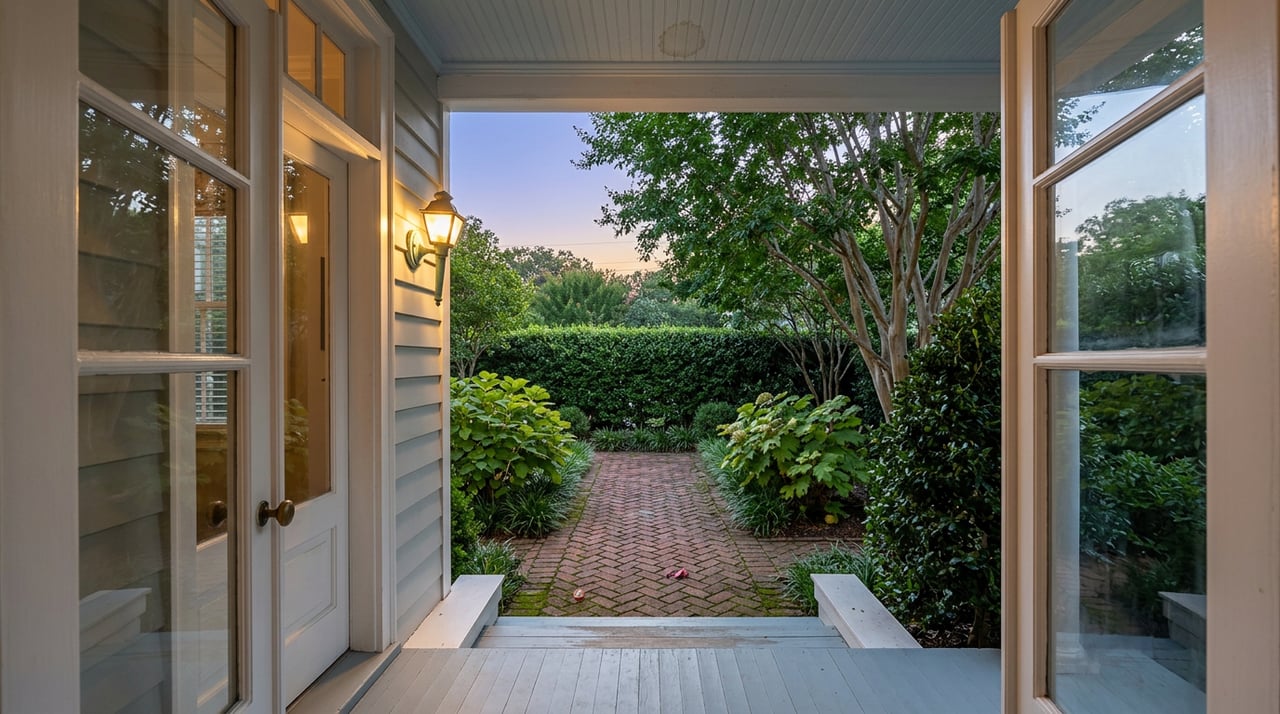
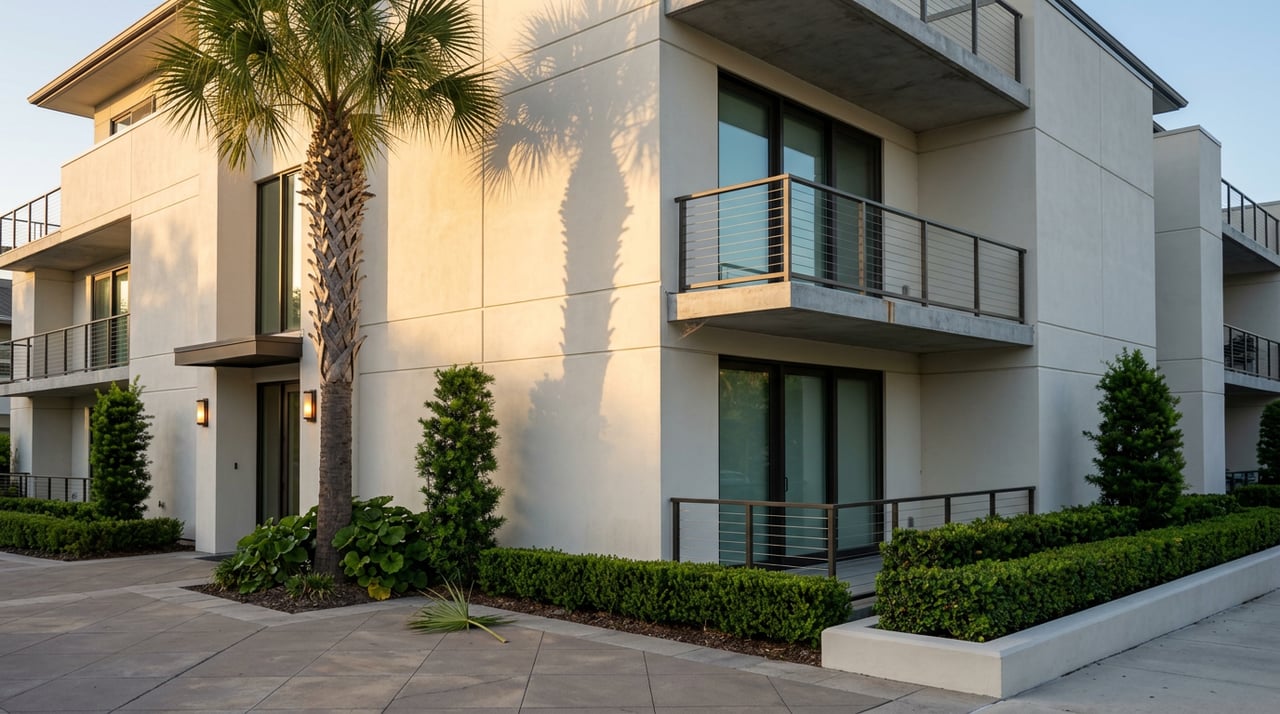
Trying to decide between a brand-new build or a classic Covington home? You are not alone. Many Northshore buyers weigh modern features and warranties against historic charm and walkable streets. In this guide, you will learn how new construction and established neighborhoods in Covington compare on energy, maintenance, flood and insurance, HOAs, taxes, and resale so you can choose with confidence. Let’s dive in.
Covington at a glance
Covington sits on the Northshore with easy access to riverfront parks, a lively downtown, and community events. You will find local gems like Columbia Street Landing and Bogue Falaya Park that make weekend plans simple. If you commute, the drive to central New Orleans is roughly 45 to 60 minutes depending on route and traffic, a trade-off many buyers accept for space and lifestyle on the Northshore, as noted in this look at Covington’s local highlights.
St. Tammany Parish has seen steady population growth over multiple years, which supports both new master-planned communities and continued demand for older, downtown homes. You can explore the parish’s growth trends through population snapshots.
What you get with new construction
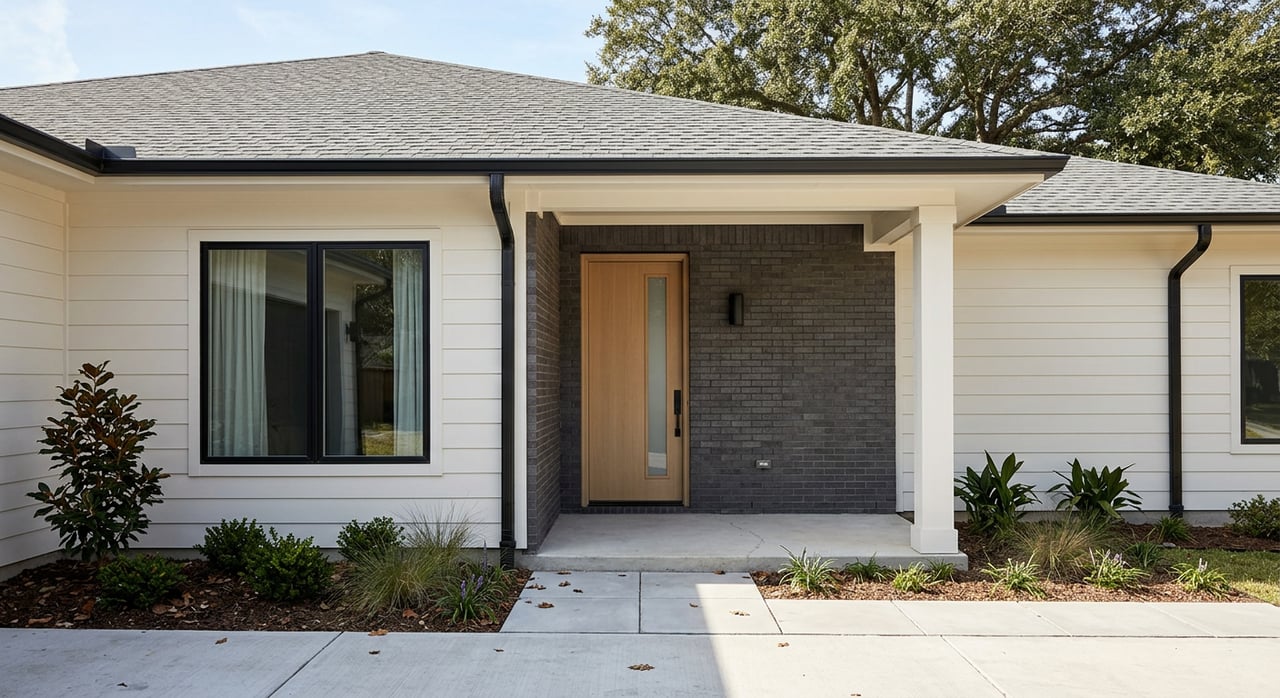
New construction in and around Covington ranges from energy-focused master-planned neighborhoods to luxury custom builds.
- Energy and mechanicals. Many builders emphasize efficient features like low-E windows, improved attic insulation, sealed envelopes, and higher-efficiency HVAC systems. Ask for any HERS index or ENERGY STAR documentation if energy savings are a priority.
- Warranties. Louisiana’s New Home Warranty Act sets statutory coverage periods for systems and structural items. Always request the written warranty schedule and understand what is covered and for how long. You can read an overview of the law from the state association at the Louisiana New Home Warranty Act summary.
- Lot sizes and layout. In tract neighborhoods, expect efficient footprints that often prioritize community amenities like lakes, trails, or common areas. Custom sections and estate neighborhoods tend to offer larger lots.
- HOAs and community care. Many new subdivisions include HOAs that manage common areas, amenities, and community drainage. This reduces personal upkeep but adds monthly or quarterly dues and covenants.
- Timeline and costs. Spec homes usually close faster. Custom builds involve longer timelines and firm change-order processes. Builder incentives and upgrades vary, so plan your budget early and confirm every selection in writing.
Local examples include energy-forward master-planned communities like Lake Ramsey and gated, higher-end options such as Maison du Lac, along with custom builds in luxury pockets. Use these as reference points for how amenities, lot sizes, and finishes affect price and timeline.
What you get in established neighborhoods
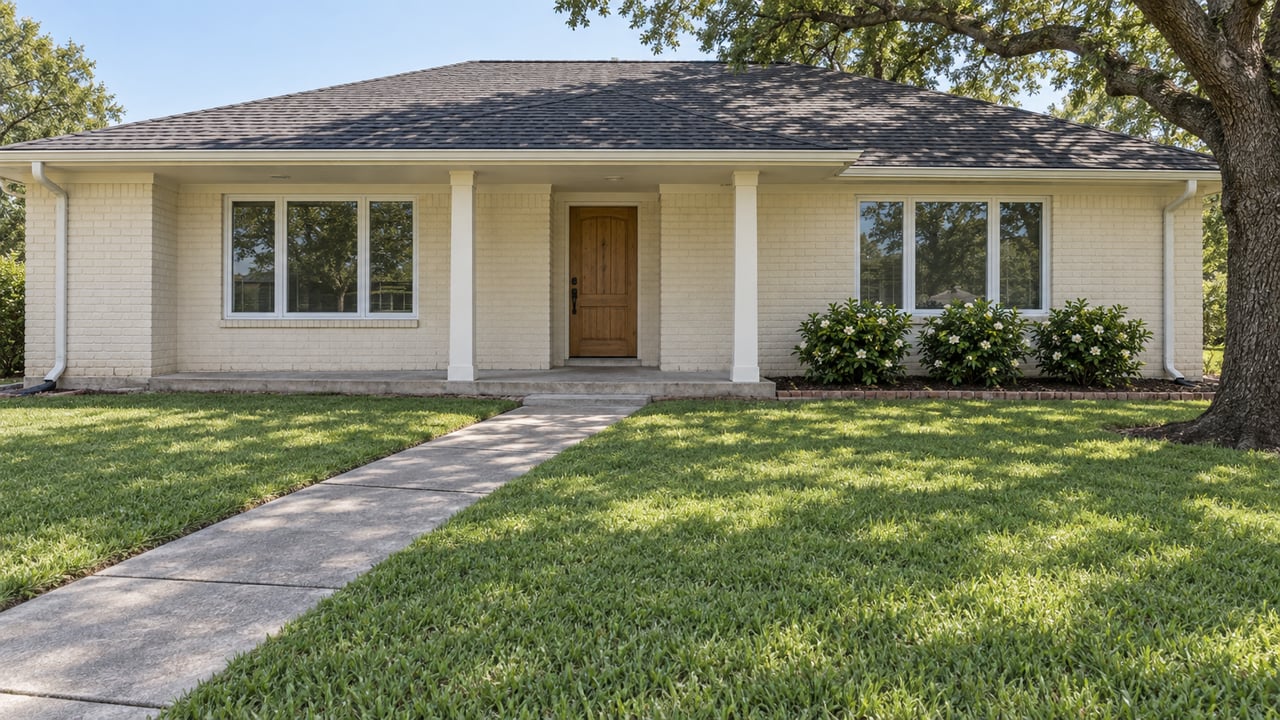
Established Covington neighborhoods offer authenticity and location benefits that new tracts rarely match.
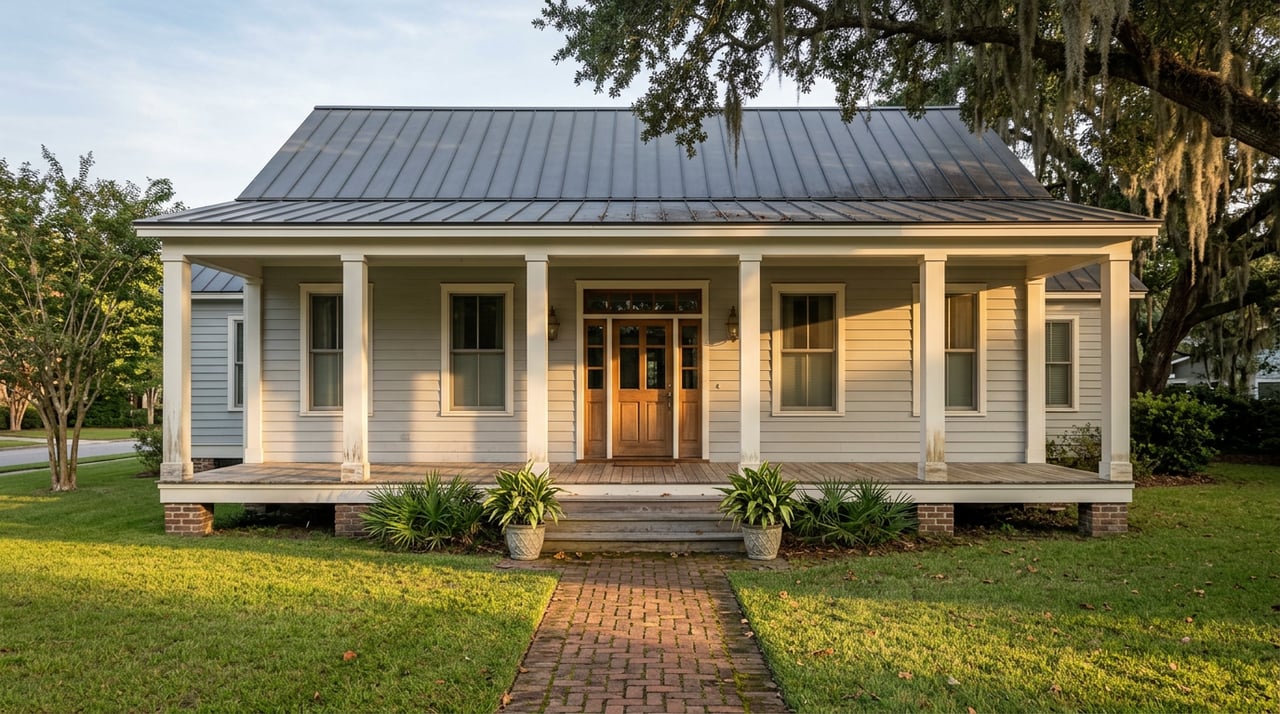
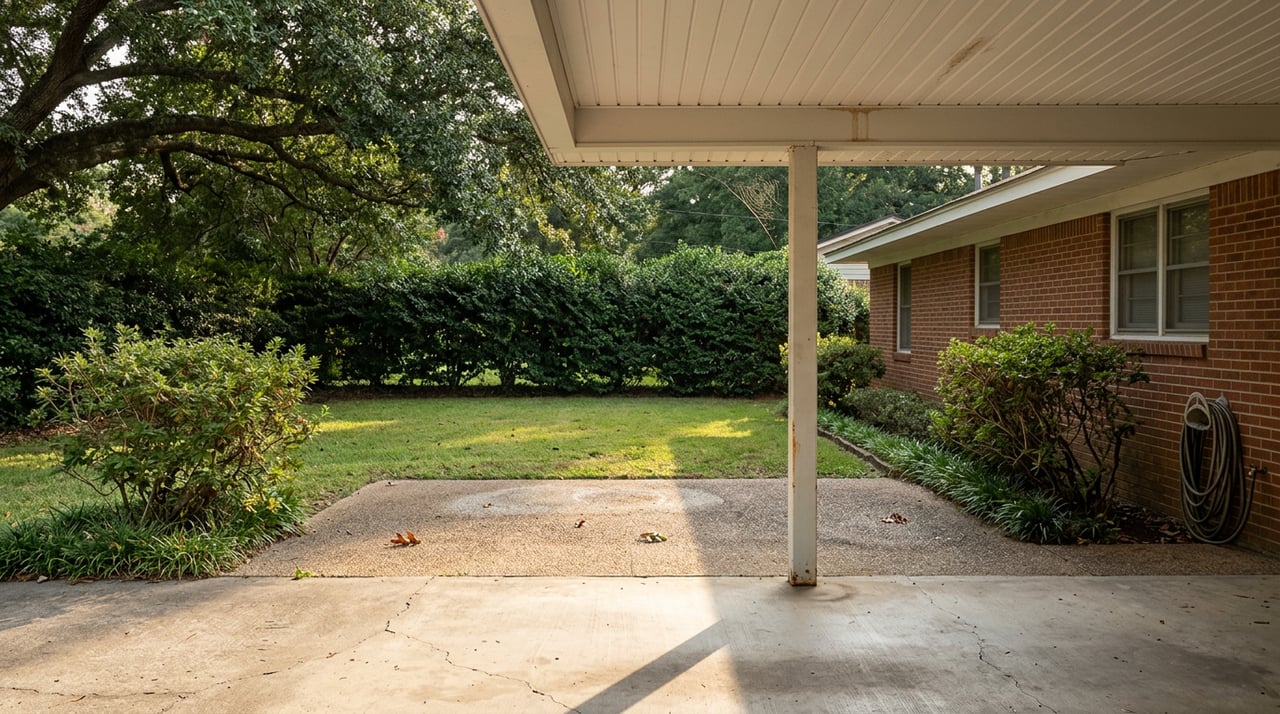
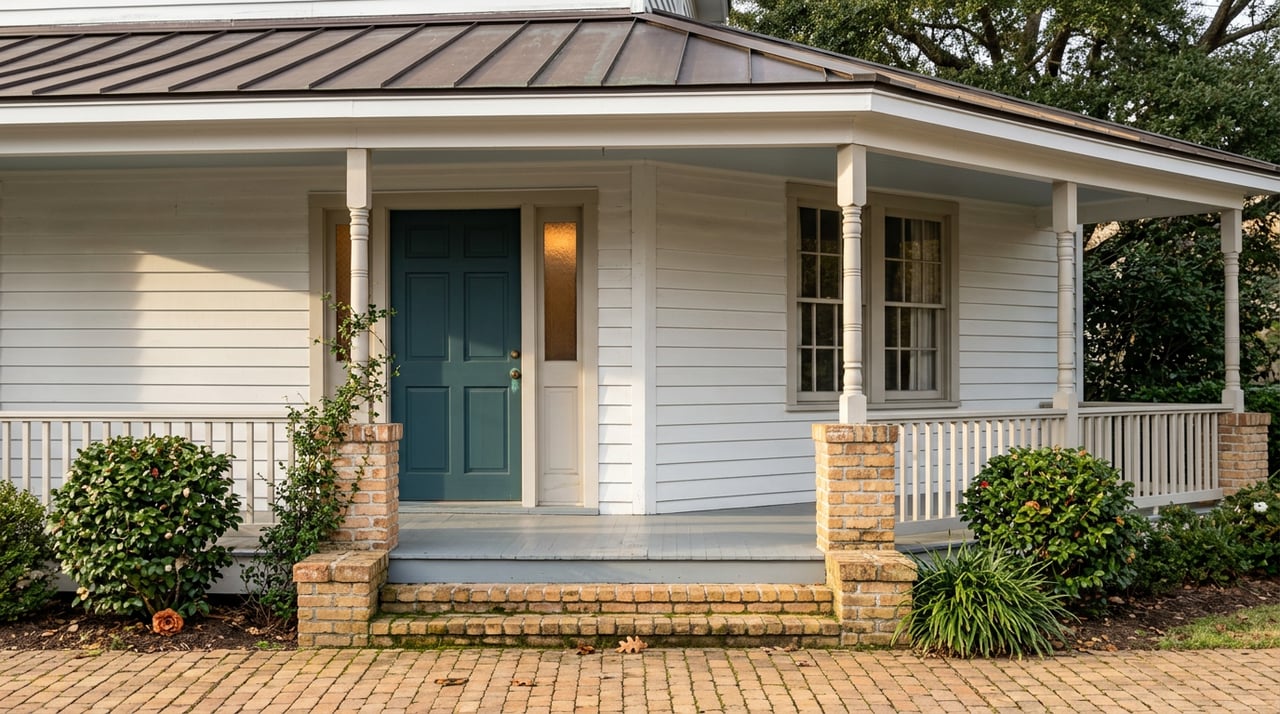
- Character and walkability. Around Olde Towne Covington, Columbia Street, and the Bogue Falaya Park area, you will find Craftsman and Arts & Crafts bungalows, Creole cottages, and Southern vernacular homes with porches and mature trees. These streets are prized for proximity to restaurants, parks, and events. Explore the area’s feel through the historic walking tour.
- Larger or irregular lots. Older subdivisions and village-style parcels can offer larger or uniquely shaped lots. You get shade, privacy, and room to garden, with the trade-off of more landscape upkeep.
- Maintenance and upgrades. In South Louisiana’s hot, humid climate, older homes may need roof, HVAC, plumbing, and electrical updates. Termite protection and moisture management are routine homeowner tasks. The LSU AgCenter outlines climate and maintenance realities in this South Louisiana home basics guide.
- Flood and elevation. Some older parcels fall in FEMA Special Flood Hazard Areas. Insurance and mitigation needs can impact your budget. Parish planning materials reference the FIRM/DFIRM maps used in approvals, so confirm the current panel for any property and request any available elevation certificate. You can review parish documentation that references DFIRM standards in this planning packet.
Side-by-side: how to choose
Use this checklist to weigh the options based on your lifestyle and budget.
Lot size and outdoor living
- New: Predictable lot sizes with access to shared amenities. Verify the recorded plat and the community drainage plan.
- Established: Often larger or irregular lots with mature trees. Confirm exact acreage through deed or assessor records.
Architecture and neighborhood feel
- New: Modern layouts and finishes with more uniform streetscapes.
- Established: Unique details and mature canopy near downtown. Consider any renovation you will want in the first 2 years.
Energy and utility costs
- New: Better efficiency out of the box in many builds. Ask for builder performance documentation and equipment specs.
- Established: Budget for targeted upgrades if efficiency is a goal. The Louisiana Homeowners Handbook offers practical resilience tips that also inform upgrade choices.
Maintenance, warranties, and risk
- New: Leverage statutory and builder warranties. Read the Louisiana warranty summary and ask for the builder’s claims process.
- Established: No builder warranty. Negotiate strong inspection contingencies and plan for immediate fixes with contractor estimates. The homeowners handbook outlines inspection and preparedness basics.
Flood, elevation, and insurance
- For any property: Confirm the FEMA flood zone, ask for an elevation certificate, and consult your insurer early. Parish materials frequently reference FIRM/DFIRM mapping used in approvals, as shown in this planning reference.
Taxes and recurring costs
Schools and amenities
- Schools are a key factor for many buyers. Review attendance zones and ratings directly from independent resources like GreatSchools’ St. Tammany page. Always verify zoning with the district.
Resale potential
- New: Easier short-term resale when the home aligns with current taste and sits in a stable community with amenities. Builder reputation and recent resale history in the subdivision are important.
- Established: Strong demand for walkable downtown and river-adjacent pockets, but condition and deferred maintenance drive price.
Real-world Covington examples
- Energy-focused master-planned living. Communities like Lake Ramsey showcase efficient features, lake-centered amenities, and predictable maintenance windows under HOA oversight.
- Gated, high-end lifestyle. Maison du Lac highlights upscale finishes, water access, and smaller private lots with HOA services.
- Historic and walkable. Olde Towne and the Columbia Street area offer character homes near parks and trailheads. Tour the area virtually through the historic walking tour.
These examples show how lot size, finishes, HOA structure, and proximity to downtown shape both budget and day-to-day life.
Budgeting for risk and recurring costs
- Property taxes. Use the parish’s tools to estimate taxes and track reassessment via the St. Tammany Parish Assessor.
- Flood and insurance. Confirm the flood zone, review any elevation certificate, and get an insurance quote before final negotiations. Parish materials that reference DFIRM mapping are a good starting point for due diligence, like this planning packet.
- HOA dues. Newer communities often have dues that cover amenities and common-space maintenance. Review the budget, reserve study, and covenants to understand future costs and rules.
- Utilities and maintenance. Expect lower near-term maintenance on many new builds. On older homes, plan for targeted upgrades and set aside a reserve for climate-specific care like termite protection and moisture management, guided by resources such as the homeowners handbook.
Your best next step
Both paths can be right in Covington. If you value efficient systems, predictable maintenance, and warranty coverage, a new build may fit. If you want tree-lined streets, distinctive architecture, and downtown access, an established home could be the one. Either way, thoughtful due diligence on flood, taxes, HOA rules, and inspections will protect your budget and your peace of mind.
Have questions about specific neighborhoods, build timelines, or how to structure your offer? Reach out to Patricia Conaghan for local guidance tailored to your goals. Bilingual service available in English and Spanish.
FAQs
What are the biggest differences between new and established Covington homes?
- New builds often offer modern efficiency, builder warranties, and HOA-managed amenities, while established homes trade more character and walkability for potential near-term maintenance.
How do I check flood risk for a Covington property before making an offer?
- Confirm the FEMA flood zone, request any elevation certificate, and consult parish references that cite DFIRM mapping, such as this planning packet, then get an insurance quote.
What warranties come with a new home in Louisiana?
- Louisiana’s New Home Warranty Act provides statutory coverage periods for systems and structural items; review details and exclusions in this state association summary and the builder’s written warranty.
How can I estimate property taxes for homes in Covington?
How can I research schools when buying in St. Tammany Parish?
- Review independent data on GreatSchools’ district page and verify attendance zones directly with the district; your agent can help confirm boundaries.